
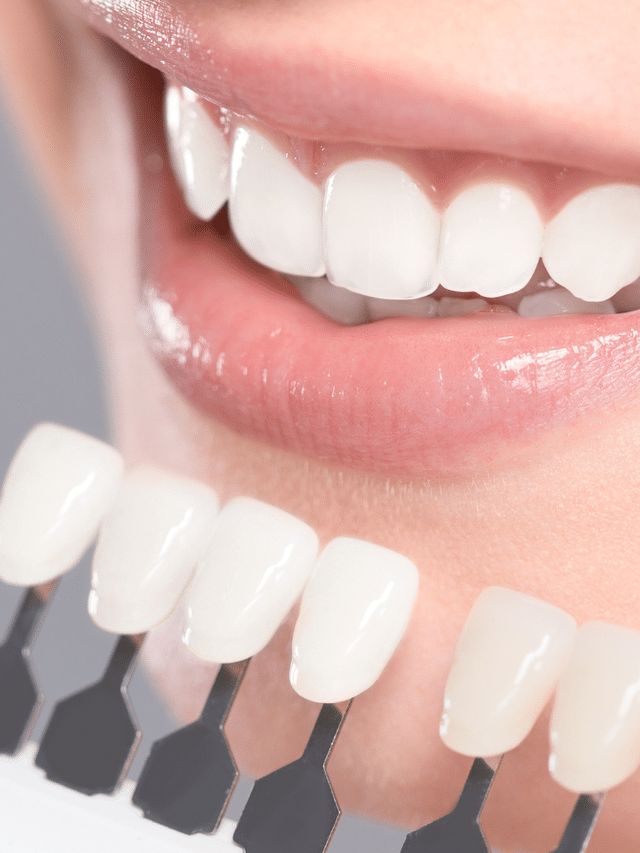
Teeth whitening results last anywhere from about six months to three years, and the exact length depends on the whitening method, your diet, and how well you care for your teeth afterward. Professional in-office whitening tends to last one to three years, dentist-fitted custom trays often hold for a year or longer, and over-the-counter strips or toothpaste fade within a few months. Whitening reduces stains rather than blocking new ones, so results are never permanent, but smart habits and quick touch-ups keep a bright smile going for years.
Below we break down how long each whitening method lasts, the factors that make results fade faster or slower, why teeth slowly re-yellow, and the simple steps that stretch your whitening as far as possible. Real clinical data backs each point so you know what to expect before and after treatment.
How Long Do Teeth Whitening Results Last?
Teeth whitening results last about six months to three years, with the whitening method being the single biggest factor in how long your brightness holds. Professional whitening lasts the longest because it uses stronger peroxide that reaches deeper stains, while over-the-counter products fade fastest because they only lift surface color. Your daily habits then decide where you land inside that range.
Method sets the baseline, and the numbers are fairly consistent across dental research. In-office whitening provides lasting results for one to three years on average, according to Healthline, while dentist-supervised custom trays used with good oral hygiene give results lasting a year or longer. Over-the-counter whitening strips last up to six months after a full cycle, and whitening toothpaste holds its lighter shade for only about three to four months. Whitening also pairs well with the rest of our cosmetic dentistry care, and the table below lays out each method side by side.
| Whitening Method | Strength | Time to See Results | How Long Results Last | Best For |
|---|---|---|---|---|
| In-office professional whitening | High-concentration hydrogen peroxide | One visit, about 1 to 2 hours | 1 to 3 years | Fast, deep results before an event |
| Dentist-fitted custom trays | Carbamide peroxide, professional strength | About 2 to 4 weeks | 1 year or longer | Gradual, budget-friendly whitening you control |
| Over-the-counter strips | Low-level peroxide | Days to a couple of weeks | Up to 6 months | Mild touch-ups between treatments |
| Whitening toothpaste | Mild abrasives, sometimes peroxide | About 2 to 6 weeks | 3 to 4 months | Daily surface-stain upkeep |
Sources: Healthline (2023), How Long Does Teeth Whitening Last; Aspen Dental longevity guidance; Colgate-Palmolive whitening strip data.
Longevity also depends on where you start. Whitening lightens most during the first month of treatment, since more than 55 percent of the total color change happens in that first stretch, according to a narrative review of bleaching studies. That fast early gain is why patients see a dramatic difference quickly, then settle into a stable, lighter shade that maintenance keeps in place. If you want a professional option you can manage at home, our custom whitening trays are built for exactly this kind of steady, lasting result.
Do Custom Trays Last Longer Than Whitening Strips?
Yes, custom trays last longer than whitening strips because a molded tray holds professional-strength gel against every tooth surface, while strips carry weaker gel and only cover the flat front area. Professional-strength gel reaches deeper into the enamel, so the color change is stronger and slower to fade. Strips use low-level peroxide that lifts mostly surface stain, which is why their brightness slips away in a matter of months rather than a year or more.
Coverage is the other advantage. A tray shaped to your teeth seals the gel around the edges and between teeth that strips miss, giving a more even result that stays uniform as it slowly fades. This even, deeper whitening is why our dentist-fitted take-home whitening kits consistently outlast anything you buy off a shelf.
How Long Do Whitened Teeth Stay White?
Whitened teeth stay white for roughly six months to three years, and the length comes down to your whitening method plus your daily habits. Clinical follow-up studies show the effect is durable but not fixed, with tooth shade regressing in about 26 percent of tray-bleaching cases by 18 months, according to a review of long-term bleaching research. Even with some fading, teeth typically stay noticeably lighter than their starting shade well past a year, and a short touch-up restores full brightness.
What Factors Affect How Long Whitening Lasts?
The factors that affect how long whitening lasts are your whitening method, your diet, your oral hygiene, tobacco use, and natural aging. Method sets the ceiling, but the other four decide how quickly you slide down from it. Two people who get the same treatment can see very different lifespans based purely on what they eat, drink, and smoke.
Diet is the fastest way to dull a fresh result. Dark drinks such as coffee, tea, cola, and red wine carry color-heavy chromogens that settle back into enamel, and acidic foods wear at the surface so new stains grip more easily. Tobacco is even harder on results, since tar and nicotine leave stubborn yellow-brown stains that reverse whitening quickly. The main factors that shorten whitening longevity include:
- Frequent dark drinks like coffee, tea, red wine, and cola that redeposit staining chromogens
- Acidic foods and drinks that erode enamel and make new stains cling faster
- Tobacco use, which drives some of the quickest and deepest re-staining
- Weak oral hygiene, where plaque and surface debris trap fresh color
- Natural aging, which thins enamel and lets the darker dentin layer show through
Oral hygiene works in the opposite direction and buys you time. Brushing twice a day, flossing, and rinsing clear away staining particles before they set, and regular cleanings polish off surface buildup that dulls a smile. A consistent home routine paired with a professional dental cleaning is one of the most reliable ways to keep whitening looking fresh.
Does Whitening Last Longer if You Don’t Drink Coffee?
Yes, whitening lasts longer if you don’t drink coffee, because coffee is one of the most aggressive staining drinks and cutting it back slows how fast new color returns. Coffee carries dense chromogens that bind to enamel with every sip, so daily drinkers usually see their brightness fade sooner than people who avoid it. If quitting coffee is not realistic, drinking it through a straw and rinsing with water afterward limits how much pigment touches your teeth.
At What Age Do Teeth Go Yellow?
Teeth start to go yellow gradually from the late twenties onward, and the yellowing becomes more noticeable through the forties and beyond as enamel naturally thins. Thinning enamel is the key reason, because the worn outer layer lets more of the darker dentin underneath show through. Years of staining foods, drinks, and tobacco stack on top of that aging effect, so older teeth often carry both surface stains and deeper age-related color at the same time.
Do Teeth Turn Yellow Again After Whitening?
Yes, teeth turn yellow again after whitening, because the treatment removes existing stains but cannot stop new ones from forming over time. New staining is gradual, not sudden, and the pace depends heavily on diet, tobacco, and oral care. Clinical tracking shows the pattern clearly, with discoloration recurring in about 10 percent of cases at two years, 25 percent at five years, and 49 percent at eight years, according to research published in the Indian Journal of Dental Research.
Re-yellowing is a slow drift rather than a snap back. The peroxide reaction that lightened your teeth does not reverse itself, so what returns is fresh surface stain from everyday habits. Because the change happens slowly, a quick touch-up with your trays lifts the returning color long before teeth reach their original shade, which keeps most patients looking bright with only light upkeep.
Do Teeth Look Whiter Right After Treatment Than Later?
Yes, teeth look whiter right after treatment than they do a few days later, because whitening temporarily dries out the enamel and makes it appear brighter than its true settled shade. Dried enamel reflects more light, so the immediate result can look slightly exaggerated. Over the next few days the enamel rehydrates and the color settles into its real, stable shade, which is still much lighter than before treatment but a touch softer than the first-day peak. Knowing about this settling step keeps expectations realistic and prevents patients from thinking their results faded when the shade is simply stabilizing.
How Do You Keep Your Teeth White After Whitening?
You keep your teeth white after whitening by limiting staining foods and drinks, brushing and flossing daily, staying hydrated, getting regular cleanings, and using occasional touch-ups. Maintaining white teeth is mostly about slowing the return of stains rather than doing anything complicated. A steady routine protects the result you already paid for and stretches the time between full treatments.
The first 48 hours matter most. Right after whitening the enamel is more porous and absorbs color easily, so avoiding dark foods and drinks during this window protects the fresh shade. A simple maintenance routine to extend your results looks like this:
- Skip dark drinks and staining foods for the first 48 hours while the enamel is most absorbent.
- Brush twice a day and floss once a day to clear staining particles before they set.
- Rinse with water or sip dark drinks through a straw to limit pigment contact.
- Stay hydrated so saliva can wash away food debris and staining agents.
- Schedule regular cleanings and run a short tray touch-up when brightness starts to dip.
Consistency is what makes the routine pay off. Small daily habits protect the shade far more than any single product, and pairing them with good oral hygiene keeps stains from ever getting a strong hold. Here in Southwest Houston, we walk patients through this exact routine when they pick up their trays.
What Foods Should You Avoid After Whitening?
The foods you should avoid after whitening are dark, colorful, and acidic ones, since they stain freshly whitened enamel the fastest. Coffee, tea, red wine, cola, dark berries, tomato-based sauces, and soy sauce are the most common offenders because each carries strong pigment. Acidic items like citrus also soften enamel briefly, which lets new stains grip harder, so waiting to eat them protects your result during the sensitive first days.
What Color Makes Yellow Teeth Look Whiter?
Cool tones like blue, berry, and plum make yellow teeth look whiter by contrast, while warm shades like orange and gold make yellow more obvious. Blue-based lip colors in particular cancel out yellow and give the illusion of a brighter smile. This is a helpful trick for the days between whitening treatments, though it only changes appearance and does not lighten the actual tooth shade the way whitening gel does.
How Often Should You Get a Whitening Touch-Up?
You should get a whitening touch-up about every six to twelve months, though the exact timing depends on your habits and how quickly your shade fades. Heavy coffee drinkers and smokers usually need touch-ups more often, while people who avoid staining foods can stretch the gap longer. Because custom trays are reusable, a touch-up usually takes just a day or two of wear rather than a full treatment cycle, which makes maintenance quick and low-cost. That reusability is a built-in benefit of professional teeth whitening trays, since one fitting supports years of easy upkeep.
Can Yellow Teeth Actually Be Whitened?
Yes, yellow teeth can actually be whitened, and yellow is the shade that responds best to peroxide whitening. Yellow tones usually come from surface stains and thinning enamel, and both sit within reach of the whitening gel. The American Dental Association notes that yellow teeth typically bleach well, brown teeth respond less predictably, and gray teeth may not bleach at all, which means the cause of your color decides how much brighter you can go.
Whitening works on natural enamel, not on every kind of discoloration. Deep gray tones from trauma or medication resist bleaching, and dental work does not change color at all, so a quick exam sets realistic goals before you start. Comparing whitening with other cosmetic options helps when stains run deeper than surface color.
For discoloration that whitening cannot reach, other treatments can help. A cosmetic fix like dental bonding covers deep gray or single-tooth stains that peroxide leaves behind, so patients with mixed staining still have a path to an even shade.
Which Teeth Cannot Be Whitened?
Teeth that cannot be whitened include crowns, veneers, fillings, and other dental restorations, because peroxide only lightens natural tooth enamel. Restorations are made from porcelain, ceramic, or composite resin, and whitening gel has no effect on those materials, so a restored tooth keeps its shade while the natural teeth around it brighten. This mismatch is why dentists often whiten first, then match new work such as dental crowns to the lighter shade afterward. Gray discoloration from a dead nerve or medication is the other common exception that usually will not respond to normal bleaching.
Can 60 Year Old Teeth Be Whitened?
Yes, 60 year old teeth can be whitened, and whitening is safe and effective for older adults whose teeth and gums are healthy. Older teeth carry two kinds of color at once, surface stains plus the natural darkening from thinner enamel and exposed dentin. Whitening lifts the surface stain layer well, though the dentin-based yellowing may only lighten so far, so a dentist such as Dr. Yu sets realistic shade goals before an older patient begins treatment.
Frequently Asked Questions
Can My Teeth Be Yellow but Still Healthy?
Yes, your teeth can be yellow but still healthy, because yellow color often comes from natural enamel thinning and everyday stains rather than disease. Most healthy teeth carry a slight ivory or yellow tint since the dentin underneath shows through the enamel. A dental exam confirms whether yellowing is simply cosmetic or a sign of a deeper issue.
What Color Are Unhealthy Teeth?
Unhealthy teeth are often gray, dark brown, or blotchy, and these shades can point to decay, a dying nerve, or heavy staining. A single gray tooth in particular can signal trauma or a non-vital tooth that needs attention. Color changes that appear suddenly or affect only one tooth deserve a prompt dental check rather than whitening.
Can Teeth Be Healthy but Not White?
Yes, teeth can be healthy but not white, since natural tooth color varies from person to person and rarely reaches a pure bright white. Strong, cavity-free teeth can still carry a natural yellow or ivory tint from the dentin beneath the enamel. Whitening can brighten that natural shade, but a slightly off-white healthy tooth is completely normal.
How Soon After Whitening Can I Drink Coffee?
You should wait at least 48 hours after whitening before drinking coffee, because the enamel is more porous and stain-prone right after treatment. Drinking coffee too soon can undo some of the fresh result. When you do return to coffee, using a straw and rinsing with water afterward helps limit new staining.
Does Insurance Cover Whitening Touch-Ups?
Dental insurance usually does not cover whitening touch-ups, because whitening is considered a cosmetic treatment rather than a medical necessity. Many practices offer flexible payment options to make cosmetic care easier to manage. It is worth asking your dental office what options are available before you begin.
Putting It All Together
Teeth whitening results last about six months to three years, with in-office treatment and dentist-fitted custom trays holding the longest and over-the-counter products fading the fastest. Because whitening reduces stains without stopping new ones, your diet, oral hygiene, tobacco use, and aging all shape how long the brightness stays, and a quick touch-up restores it whenever the shade begins to dip. With steady habits and professional-grade trays, a bright smile is easy to maintain for years.
If you want whitening that lasts and fits into your routine, the team at Bright Value Dental is happy to walk you through your options and help you keep your results looking their best. Feel free to call us at 713-668-1600 whenever you are ready to brighten your smile.