
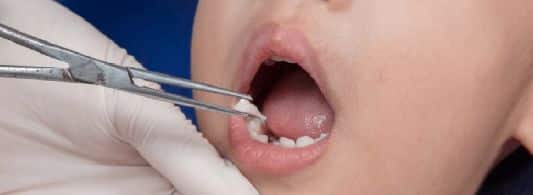
After a tooth extraction, you can expect some bleeding, swelling, and mild to moderate pain for the first few days. A blood clot forms in the socket within the first hour, swelling peaks around day 2 to 3, and most patients feel comfortable returning to normal activities within a week. This article covers everything you should expect from the moment the procedure ends through full healing, including pain management, food choices, aftercare dos and don’ts, and signs of complications that need attention.
What to Expect After a Tooth Extraction: The First Hour
The first hour after a tooth extraction sets the foundation for your entire recovery. We place gauze over the extraction site and ask you to bite down with steady pressure for 30 to 45 minutes. This pressure helps a blood clot form in the empty socket, which is critical for healing.
You will still feel numb from the local anesthesia. At our Southwest Houston office, most patients stay comfortable for 2 to 3 hours after the procedure. Do not eat or drink anything hot until the numbness wears off completely, as you could accidentally burn or bite your cheek.
According to the NIH, about 9 out of 10 working-age adults have experienced tooth decay. When decay or damage is too severe for a filling or dental crown, extraction becomes the best path forward.
Bleeding and Blood Clot Formation
Some bleeding after a tooth extraction is completely normal. According to the Oral Health Foundation, post-extraction bleeding often looks more severe than it actually is because the blood mixes with saliva in your mouth. Bleeding typically slows within 12 to 24 hours.
Change gauze pads every few hours or when they become soaked. If bleeding continues after several hours, try biting down on a damp caffeinated tea bag. The tannic acid in tea promotes blood clotting.
The blood clot that forms in the socket is the most important part of your recovery. It protects the exposed bone and nerve endings underneath. Do not spit, rinse forcefully, use a straw, or smoke during the first 24 hours. All of these actions create suction that can pull the clot out and lead to dry socket.
Houston patients who experience heavy, non-stop bleeding should contact our emergency dental care line. We answer calls 24/7 and can usually see you the same day.
Swelling, Bruising, and Pain
Swelling is the body’s natural response to any surgical procedure. After a tooth extraction, expect the swelling to increase during the first 48 hours and peak around day 2 to 3. Apply a cold compress to the outside of your cheek for 15 to 20 minutes on, then 15 to 20 minutes off.
After the first 24 hours, switch to warm compresses if swelling persists. Some patients also notice minor bruising on the face near the extraction site, especially after surgical removals. This is normal and fades within a week.
Pain is usually most intense in the first 24 to 48 hours. Over-the-counter ibuprofen is effective because it reduces both pain and inflammation. Avoid aspirin, which can increase bleeding. If Dr. David Yu prescribes a stronger pain reliever, take it as directed before the numbness wears off so the medication can start working early.
According to a 2022 study cited by Medical News Today, most patients cannot return to work for up to 3 days after an extraction. Planning for 1 to 3 days of rest helps your body focus on healing.
Eating and Drinking After the Procedure
Your diet matters more than most patients realize during recovery. In the first 24 to 48 hours, stick to soft, cool, or room-temperature foods. Good choices include yogurt, applesauce, mashed bananas, protein shakes, and lukewarm broth-based soup.
By day 3 to 4, you can add foods with more texture. Scrambled eggs, oatmeal, soft pasta, and mashed potatoes are all easy on the extraction site.
By the end of the first week, most patients are back to a nearly normal diet. Avoid hard, crunchy, and sticky foods near the extraction site until the area is fully healed. Chew on the opposite side of your mouth for the first several days.
Stay hydrated by drinking plenty of water throughout the day. Avoid hot beverages, alcohol, and carbonated drinks for the first 48 to 72 hours.
Patients in Bellaire and Sharpstown who have questions about post-extraction diet can always call our office for guidance. We would rather answer a quick question than have a patient deal with a complication from eating the wrong food too soon.
Aftercare Dos and Don’ts
Following aftercare instructions is the single biggest factor in how well and how fast you heal. According to the CDC, untreated tooth decay affects about 25% of adults aged 20 to 44. Many of these patients eventually need to have a tooth removed, and the ones who follow aftercare closely recover faster with fewer problems.
In the first 24 hours, rest with your head elevated. Do not exercise, lift heavy objects, or bend over. Avoid smoking, straws, forceful rinsing, and spitting. Take pain medication as directed.
After 24 hours, begin gentle saltwater rinses. Mix half a teaspoon of salt into eight ounces of warm water. Rinse gently 3 to 4 times per day, especially after eating. Continue this for 1 to 2 weeks.
Brush your other teeth normally, but avoid the extraction site for the first 2 to 3 days. Use a soft-bristle toothbrush.
Good preventive oral care habits before and after the extraction make a significant difference in healing speed. Patients who maintain regular checkups and cleanings tend to recover faster.