
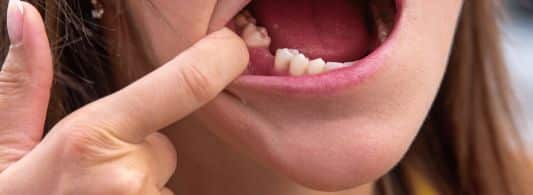
The tooth extraction recovery timeline typically spans 1 to 2 weeks for soft tissue healing, though the underlying bone may continue to remodel for several months afterward. Within the first 24 hours, a blood clot forms in the empty socket to protect the bone and nerve endings. Swelling peaks around day 2 to 3, pain gradually decreases through the first week, and most patients feel comfortable eating and returning to daily activities by day 7 to 10. This article walks through every stage of healing day by day, covers what to eat, explains warning signs, and outlines aftercare steps we recommend at our Southwest Houston dental office.
What Happens During the Tooth Extraction Recovery Timeline
The tooth extraction recovery timeline follows a predictable pattern of clot formation, tissue growth, and bone remodeling. According to the NIH, about 9 out of 10 working-age adults have experienced tooth decay. Many of those cases eventually require extraction when the damage is too severe for a filling or crown.
At our office on Bellaire Blvd in Southwest Houston, Dr. David Yu has performed thousands of extractions over more than 20 years. We see patients of all ages, from teens getting wisdom teeth removed to seniors preparing for dentures.
According to the American Journal of Public Health, roughly 10 million third molars are extracted from about 5 million Americans every year. Knowing what to expect during recovery reduces anxiety and leads to better outcomes.
Day 1: Blood Clot Formation and Initial Care
The first 24 hours after a tooth extraction are the most important. Your body immediately begins forming a blood clot in the empty socket. This clot acts as a natural bandage over the exposed bone and nerve endings. Protecting it is the single most important thing you can do.
Some bleeding is normal. The Oral Health Foundation notes that it often looks worse than it is because blood mixes with saliva. Bite gently on the gauze we place after the procedure for 30 to 45 minutes.
Rest for the remainder of the day. A 2022 study cited by Medical News Today found that most people cannot return to work for up to 3 days after an extraction. Keep your head elevated to control swelling.
During the first day, do not spit, rinse, drink through a straw, or smoke. All of these actions can dislodge the blood clot and lead to dry socket. Patients in the Gulfton, Bellaire, and Sharpstown areas who experience severe pain or heavy bleeding on day 1 should contact our emergency dental care line right away.
Days 2 to 3: Peak Swelling and Pain Management
Swelling and discomfort typically peak on day 2 to 3. This is a normal inflammatory response. Apply a cold compress to the outside of your cheek for 15 to 20 minutes at a time, with breaks in between.
Over-the-counter pain relievers like ibuprofen are usually effective. Ibuprofen also reduces inflammation. Avoid aspirin, as it can thin the blood and increase bleeding.
After the first 24 hours, begin gentle saltwater rinses. Mix half a teaspoon of salt into eight ounces of warm water to keep the area clean.
Stick to soft, cool foods. Yogurt, applesauce, smoothies, mashed potatoes, and lukewarm soup are all safe choices. Avoid anything hot, crunchy, spicy, or acidic.
Proper preventive oral care during these early days sets the stage for a smooth recovery. Brush your other teeth normally, but stay away from the extraction site.
Days 4 to 7: Turning the Corner
By day 4, most patients notice a clear improvement. The throbbing pain fades, swelling goes down, and appetite starts to return. The socket is beginning to fill with granulation tissue, the body’s foundation for new gum and bone growth.
You can slowly introduce firmer foods like scrambled eggs, pasta, and well-cooked vegetables. Continue chewing on the opposite side and keep up with saltwater rinses after meals.
By day 7, the extraction site should look and feel much better. If you had stitches, they may dissolve on their own or we will remove them at your follow-up visit. Most patients can return to their full daily routine.
According to the CDC’s 2024 Oral Health Surveillance Report, untreated tooth decay affects roughly 25% of adults aged 20 to 44. When decay reaches a point where having a tooth pulled is the only option, following the recovery timeline closely prevents setbacks.
Weeks 2 to 4: Soft Tissue Closure
During weeks 2 through 4, the gum tissue continues to close over the socket. By the end of week 2, the surface should be mostly sealed. You may notice a slight indentation where the tooth was, but the area should no longer be painful.
At the 3 to 4 week mark, the site is primarily filled with new gum tissue. Regular eating is comfortable for most people by this point.
This is a good time to come in for a follow-up checkup. Our Houston dental team can confirm healing is on track and discuss next steps if the tooth needs to be replaced. Options like dental crowns or partial dentures may be appropriate.
Months 1 to 4: Bone Remodeling
While the gums heal in a matter of weeks, the jaw bone underneath takes much longer. According to the Oral and Maxillofacial Surgery Center of Carbondale, bone healing begins after about one week, shows substantial new bone growth by ten weeks, and reaches near-complete filling of the socket by four months.
This is especially important for patients considering a dental implant after extraction. Dr. Yu will monitor your progress and let you know when the time is right.
Patients across Southwest Houston, including Meyerland, Brays Oaks, and Alief, can schedule a general dentistry appointment to have their healing evaluated.
Simple Extraction vs. Surgical Extraction Recovery
Not all extractions heal at the same pace. The type of procedure plays a big role in recovery time.
| Factor | Simple Extraction | Surgical Extraction (Wisdom Teeth) |
| Soft tissue healing | 1 to 2 weeks | 2 to 3 weeks |
| Bone healing | 1 to 2 months | 3 to 6 months |
| Dry socket risk | 1% to 5% | Up to 25% to 30% |
| Peak swelling | Day 2 | Day 2 to 3 |
| Return to normal diet | 5 to 7 days | 7 to 14 days |
| Days off work/school | 1 to 2 days | 2 to 4 days |
Sources: International Journal of Dental Sciences (PMC), Oral Health Foundation, American Association of Oral and Maxillofacial Surgeons
A simple extraction involves a fully visible tooth above the gum line. It heals faster because less tissue and bone are involved. A surgical extraction, common with impacted wisdom teeth, requires an incision and sometimes bone removal, which means a longer recovery.
At our office, most tooth extractions are done under local anesthesia. Sedation is available for surgical cases. We have TVs in every room to keep you comfortable.
How to Avoid Dry Socket After a Tooth Extraction
Dry socket, also known as alveolar osteitis, is the most common complication after a tooth extraction. It happens when the blood clot in the socket is lost or dissolves too early, leaving the bone and nerves exposed. The result is intense, throbbing pain that usually starts 2 to 4 days after the procedure.
According to a systematic review published in PMC, the incidence of dry socket ranges from 1% to 5% for routine extractions and can climb as high as 30% for impacted wisdom teeth. Smokers had a more than three-fold increase in odds, with an incidence of about 13.2% compared to 3.8% in non-smokers.
Do not smoke for at least 72 hours after extraction. Do not use a straw. Do not rinse or spit forcefully for the first 24 hours. Avoid hard, crunchy, or sticky foods.
If you notice severe pain that gets worse around day 3 to 5, a bad taste in your mouth, or visible bone in the socket, call our office immediately.
What to Eat and Drink During Recovery
Eating the right foods speeds up healing. In the first 48 hours, stick to cold or room-temperature soft foods. Good options include yogurt, applesauce, mashed bananas, protein shakes, and broth-based soup that has cooled down.
After 48 hours, you can add more texture. Scrambled eggs, oatmeal, soft pasta, and avocado all work well. By the end of the first week, most patients return to a nearly normal diet.
Stay hydrated by drinking plenty of water. Avoid hot beverages, alcohol, and carbonated drinks during the first few days, as these can irritate the socket.
Why Aftercare Matters More Than You Think
The CDC reports that about 47% of adults aged 30 and older show signs of periodontal disease. Patients with existing gum disease may heal more slowly after an extraction.
Patients dealing with gum disease should let us know before their extraction so we can plan accordingly.
The American Dental Association notes that smokers are 3 times as likely as non-smokers to lose all their teeth. Smoking impairs post-extraction healing by reducing blood flow to the surgical site. If you smoke, talk to Dr. Yu about strategies to reduce risk.
Frequently Asked Questions
How Long Should You Rest After a Tooth Extraction?
You should rest for at least the first 24 hours after a tooth extraction. Most Houston patients benefit from 1 to 3 days of reduced activity. Avoid exercise, heavy lifting, and bending over during this time, as these activities can increase blood pressure and cause the clot to dislodge.
What Should You Expect on Day 7 After Tooth Extraction?
On day 7 after tooth extraction, you should expect significant improvement. Pain should be minimal or gone, swelling will have resolved, and stitches may dissolve around this time. Most people can eat a nearly normal diet and resume regular activities. If pain is increasing instead of decreasing, contact our Southwest Houston office.
Can a Tooth Extraction Heal in 4 Days?
A tooth extraction cannot fully heal in 4 days, but you will feel much better by then. The blood clot should be stable and the initial inflammation will be going down. Soft tissue healing takes 1 to 2 weeks for simple extractions and up to 3 weeks for surgical ones. Full bone healing takes 3 to 4 months.
Can I Sleep in Bed After a Tooth Extraction?
Yes, you can sleep in bed after a tooth extraction, but keep your head elevated for the first 1 to 2 nights. Use an extra pillow to prop yourself up. Lying flat increases blood flow to the head, which can worsen swelling and throbbing at the extraction site.
What Are the Red Flags After Tooth Extraction?
The red flags after tooth extraction include severe pain that worsens after day 2 to 3, heavy bleeding that does not stop with pressure, fever over 100.4°F, pus or foul-smelling discharge, numbness lasting beyond 24 hours, and difficulty breathing or swallowing. Any of these need immediate attention. Our emergency dental team is available across the Houston area.
Is Day 2 the Worst After Tooth Extraction?
Day 2 is often the worst after tooth extraction because swelling and discomfort typically peak 24 to 48 hours after the procedure. This is the body’s natural inflammatory response. Cold compresses, anti-inflammatory medication, and rest will help you get through it. Most patients notice steady improvement from day 3 onward.
How Should You Drink Water After Tooth Extraction?
You should drink water after tooth extraction by sipping gently from a cup. Do not use a straw for at least 5 to 7 days, as the suction can pull the blood clot out of the socket. Drink room temperature or cool water, and avoid ice-cold water on the first day.
Your Next Step
Recovery from a tooth extraction does not have to be stressful. When you follow the right aftercare steps and know what to expect, the process is straightforward.
At Bright Value Dental, we walk every patient through their recovery plan before they leave our office. Dr. David Yu and our team have helped thousands of Houston patients heal comfortably after extractions of all kinds.
We accept most PPO dental insurance plans, Children’s Medicaid, CHIP, MCNA, DentaQuest, and TMHP. CareCredit financing is also available. We offer affordable options for patients without insurance.
If you need a tooth extraction in Southwest Houston or have questions about your recovery, call us at 713-668-1600. We offer same-day appointments, walk-ins are welcome, and we have evening and Saturday hours. Our office is at 5716 Bellaire Blvd, Suite B, Houston, TX 77081, serving families in Gulfton, Sharpstown, Bellaire, Meyerland, Alief, and all of Southwest Houston.
Families with children who may need an extraction can also count on our pediatric dentistry team to make the experience gentle and positive.
Regular dental cleanings for kids help catch problems early, so extractions can often be avoided altogether.