
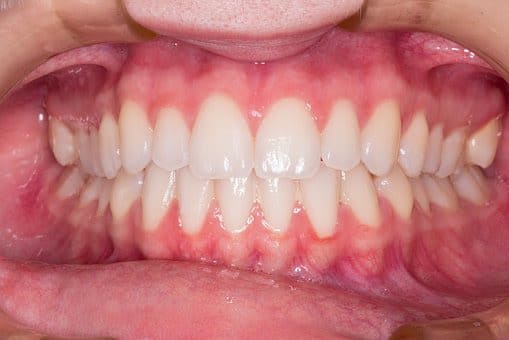
The early signs of gum disease include red, swollen gums that bleed when you brush or floss, persistent bad breath, and gum tenderness. Gum disease, also called periodontal disease, starts as a mild condition called gingivitis. At this stage, it is completely reversible with a professional dental cleaning and good daily oral care, according to the American Dental Association (ADA). Most people do not feel pain in the early stages, so the condition often goes unnoticed. According to the CDC, about 42% of adults aged 30 and older in the United States have some form of periodontal disease. Knowing what to look for early can save your teeth, your gums, and your overall health.
What Gum Disease Is and How It Starts
Gum disease is an infection of the tissues that hold your teeth in place. It starts when plaque, a sticky film of bacteria, builds up along the gum line. If plaque is not removed by brushing and flossing, it hardens into tartar. Tartar can only be removed by a dental professional. When plaque and tartar stay on the teeth too long, the bacteria irritate the gums and cause inflammation.
The earliest stage of gum disease is gingivitis. Gingivitis only affects the gum tissue. It does not damage the bone or the ligaments that support the teeth. This is why gingivitis is fully reversible with the right periodontal treatment and improved home care.
When gingivitis is left untreated, it can progress to periodontitis. Periodontitis damages the bone and connective tissue around the teeth. The gums pull away and form pockets that trap bacteria. Over time, teeth may become loose or fall out. Periodontitis is not reversible, but it can be managed with professional care. The NIDCR reports that 42.2% of U.S. adults aged 30 and older have periodontitis, with 7.8% having a severe form.
Bleeding Gums During Brushing or Flossing
One of the earliest and most common signs of gum disease is bleeding gums. Many people notice pink or red on their toothbrush after brushing, or see blood when they floss. This happens because bacteria in plaque have irritated the gum tissue and caused inflammation.
Healthy gums do not bleed. The ADA states that gingivitis can cause gums to become red, swollen, and bleed easily. This is a clear sign to schedule a dental visit.
A preventive dental checkup can catch this problem early. Professional cleanings remove plaque and tartar, and the inflammation usually goes away within one to two weeks after treatment.
Red, Swollen, or Tender Gums
Healthy gums are firm, pale pink, and fit snugly around the teeth. When gum disease is present, the gums turn red or dark pink, feel puffy, and may be tender to the touch.
Swollen gums are sometimes painless, which is why many people in the Bellaire and Sharpstown communities do not realize they have a problem. The Cleveland Clinic notes that early signs of gum disease include swollen, tender, and reddish or purplish gums.
Routine general dental care that includes regular cleanings and exams is the most effective way to catch gum inflammation early.
Persistent Bad Breath That Does Not Go Away
Chronic bad breath, also called halitosis, is another early sign of gum disease. When bacteria accumulate in the pockets around your teeth and along the gum line, they release foul-smelling gases. This kind of bad breath does not go away with brushing or mouthwash because the source is the bacterial infection beneath the gum tissue.
Our Southwest Houston dental office treats patients with gum disease by performing deep cleanings and creating maintenance plans to control the bacteria that cause odor and infection.
Receding Gums and Teeth That Look Longer
Gum recession is a sign that gum disease may be progressing. When the gums pull away from the teeth, more of the tooth root becomes exposed, and teeth can look longer than they used to. Recession also creates small pockets where bacteria collect and cause more damage.
A study published in the Journal of Dental Research found that nearly 65 million American adults have some form of periodontal disease, many of whom experience gum recession. It happens gradually, so it is easy to miss unless a dentist measures pocket depth during an exam.
Families in the Meyerland and Gulfton areas who visit our office regularly benefit from routine dental cleanings and gum evaluations that catch recession before it leads to bone loss.
How Gum Disease Affects Your Overall Health
Gum disease does not only affect your mouth. The bacteria responsible for periodontal disease can enter the bloodstream and contribute to inflammation throughout the body.
In December 2025, the American Heart Association published a scientific statement in the journal Circulation confirming that gum disease is associated with a higher risk of heart attack, stroke, and heart failure. The NIDDK reports that people with diabetes are more likely to develop gum disease, and the NIH MedlinePlus publication notes that nearly 60% of people with diabetes also have periodontal disease.
The Global Burden of Disease Study 2021 estimated that over 1 billion people worldwide had periodontal disease, making it one of the most common chronic conditions on the planet.
Keeping your gums healthy with regular dental visits is one of the most important things you can do for your total health.
Gingivitis vs. Periodontitis Comparison
| Feature | Gingivitis (Early Stage) | Periodontitis (Advanced Stage) |
| Affected tissue | Gums only | Gums, bone, and ligaments |
| Reversible | Yes, with professional cleaning and good home care | No, but manageable with ongoing treatment |
| Common symptoms | Bleeding, redness, swelling, bad breath | Receding gums, loose teeth, pus, bone loss |
| Bone loss | None | Progressive bone destruction |
| U.S. prevalence (adults 30+) | Very common; most adults experience it at some point | About 42% of adults 30+, per the CDC |
| Primary treatment | Professional cleaning (prophylaxis), improved brushing and flossing | Scaling and root planing (deep cleaning), periodontal maintenance |
| Systemic health links | Mild inflammation | Linked to heart disease, diabetes, Alzheimer’s disease |
Sources: CDC, ADA, NIDCR, American Heart Association, Cleveland Clinic
How to Prevent Gum Disease at Home
Prevention starts with daily habits. Brushing twice a day with fluoride toothpaste removes plaque from the surfaces of your teeth. Flossing once a day cleans the spaces between your teeth where a toothbrush cannot reach. These two habits are the foundation of gum disease prevention, according to the ADA.
Avoiding tobacco use is critical. The NIH MedlinePlus publication reports that more than 60% of current smokers have periodontal disease. Smoking weakens the immune system and slows healing after dental procedures.
Eating a balanced diet, limiting sugary snacks, and drinking plenty of water all help reduce plaque buildup. The hot and humid climate in our area makes staying hydrated especially important for your oral health.
Scheduling dental checkups every six months allows your dentist to catch early signs of gum disease and remove tartar buildup. Patients in the Brays Oaks and Alief communities who keep a consistent cleaning schedule have the best chance of avoiding serious gum problems.
We provide cosmetic and restorative care in addition to preventive services, so we can address both the health and appearance of your smile in one visit.
How a Dentist Treats Early Gum Disease
The first step in treating gum disease is a thorough exam. We measure the depth of the pockets around your teeth using a small probe. Healthy pockets are usually 1 to 3 millimeters deep. Pockets deeper than 3 millimeters may indicate gum disease.
For gingivitis, the standard treatment is a professional cleaning called a prophylaxis. This removes plaque and tartar from above and below the gum line. If the disease has progressed to early periodontitis, we may recommend scaling and root planing, a deeper cleaning done under local anesthesia that smooths the tooth roots so the gums can reattach.
After treatment, we create a periodontal maintenance plan with follow-up cleanings every three to four months to monitor progress and prevent the disease from returning.
Patients who need tooth extraction due to advanced periodontal damage can also receive same-day care at our office.
Who Is at Higher Risk for Gum Disease
Certain factors increase the risk of developing gum disease. Smokers are significantly more likely to develop periodontal disease. The CDC reports that 64.2% of smokers have periodontitis. People with diabetes are also at higher risk, and the NIDDK notes that the relationship between diabetes and gum disease goes both ways.
Hormonal changes during pregnancy, puberty, and menopause can make gums more sensitive and more vulnerable to gingivitis. Certain medications that reduce saliva flow also increase the risk. Genetics play a role as well, and some people are more prone to gum disease even with excellent oral hygiene.
Adults aged 65 and older have the highest rates. The CDC reports that about 60% of adults in this age group have some form of gum disease. Our office provides denture services and comprehensive care for older adults who need support with their oral health.
We also provide pediatric dental care to help children build good habits that protect their gums for life.
Frequently Asked Questions
What Does Stage 1 Gum Disease Look Like?
Stage 1 gum disease, also called gingivitis, looks like red, puffy gums that may bleed when you brush or floss. The gums may appear darker pink instead of their normal pale pink color. There is no bone loss at this stage, and the condition is fully reversible with a professional cleaning and consistent daily brushing and flossing. Many families in Southwest Houston visit our office for routine checkups that catch gingivitis before it progresses.
How Do You Know If You Have Early Stage Gum Disease?
You know you may have early stage gum disease if your gums bleed during brushing or flossing, look red or swollen, feel tender, or if you have chronic bad breath. Because gingivitis is often painless, you may not notice any discomfort. The University of Illinois Chicago College of Dentistry compares gum disease to hypertension because you can have it without feeling symptoms. The best way to know for certain is to visit a dentist for a full gum evaluation. We accept most PPO, Medicaid, CHIP, and Medicare plans to make this easy for local families.
How Do You Treat Early Stage Gum Disease?
Early stage gum disease is treated with a professional dental cleaning to remove plaque and tartar from above and below the gum line. After the cleaning, your dentist will give you personalized instructions for brushing and flossing at home. The ADA confirms that gingivitis is still reversible at this point and can usually be eliminated with professional cleaning followed by daily brushing and flossing. If you need a cleaning, our dental office offers convenient evening and Saturday hours.
What Are the Four Signs of Periodontal Disease?
The four most recognized signs of periodontal disease are bleeding gums, persistent bad breath, gum recession, and loose teeth. Bleeding gums and bad breath often appear first, while recession and loose teeth indicate the disease has progressed. The CDC states that nearly half of American adults over 30 have some form of periodontal disease.
Can I Live a Long Life with Gum Disease?
You can live a long life with gum disease if it is properly managed with regular dental care. Untreated gum disease can lead to tooth loss and has been linked to heart disease and diabetes complications. With consistent professional cleanings and good home care, most people with periodontal disease keep their teeth for decades. Residents of Sharpstown and the surrounding areas can call our office to set up a same-day appointment if gum problems come up suddenly.
Can You Smell If Someone Has Gingivitis?
Yes, you can sometimes smell gingivitis on another person. The bacteria that cause gum disease release sulfur compounds that create a noticeable odor. Professional cleaning and good oral hygiene are the most effective ways to eliminate the odor at its source.
How Long Until Inflamed Gums Go Away?
Inflamed gums from gingivitis typically improve within one to two weeks after a professional cleaning, as long as you brush twice daily and floss once daily. If the inflammation is caused by periodontitis, it takes longer and requires maintenance cleanings every three to four months. We also offer affordable options for patients without dental insurance so that cost is not a barrier to treatment.
Your Next Step
Gum disease is one of the most common health conditions in the country, but it does not have to lead to tooth loss or serious health problems. The earlier you catch it, the easier it is to treat. If you have noticed bleeding, swelling, bad breath, or any other changes in your gums, now is the time to get a professional evaluation.
We treat patients of all ages at our Southwest Houston dental office. We accept most insurance plans, Medicaid, CHIP, and CareCredit financing.
Bright Value Dental has been serving the Gulfton, Bellaire, Sharpstown, Meyerland, Brays Oaks, and Alief communities for over 25 years. Call us at 713-668-1600 to schedule your gum evaluation today.