
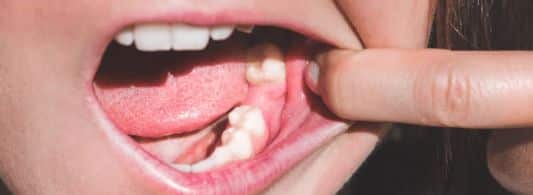
Gum healing after tooth extraction follows a predictable process that begins the moment the tooth is removed. A blood clot forms in the empty socket within the first few hours, and soft tissue typically closes over the site within 1 to 3 weeks. Research published in the journal Biomolecules confirms that oral tissue heals faster and with less scarring than skin because of the rich blood supply in the mouth and the regenerative properties of saliva. This article walks through each stage of gum healing, what normal recovery looks like, how to support your body’s repair process, and when to contact your dentist.
How Gum Healing After Tooth Extraction Works
Gum healing after tooth extraction works through four overlapping biological stages: hemostasis, inflammation, proliferation, and remodeling. Your body starts repairing the extraction site immediately. According to a study published in Frontiers in Cell and Developmental Biology, oral mucosa is the only adult tissue that can heal with minimal scar formation, comparable to the scarless healing seen in fetal skin.
A 2018 clinical study conducted at the National Institutes of Health (NIH) found that 3-millimeter oral wounds closed within a few days, while identical skin wounds were still healing two weeks later. This is good news for patients recovering from extractions. Your gums are built to recover quickly when given the right conditions.
At our Southwest Houston office, Dr. David Yu provides every patient with a clear aftercare plan to support each phase of healing. With over 20 years of experience and thousands of extractions performed, we know exactly what healthy recovery looks like and when something needs attention.
The Stages of Gum Healing Week by Week
Each stage of gum healing builds on the one before it. Here is what to expect during the first several weeks after your extraction.
First 24 Hours: Blood Clot Formation
Within the first few hours after extraction, blood fills the empty socket and forms a clot. This clot acts as a protective barrier over the exposed bone and nerves. It also serves as the foundation for all new tissue growth. Some bleeding, mild swelling, and discomfort are normal during this phase. You will bite down on gauze for about 30 minutes after the procedure to help the clot stabilize.
Patients who recently had a tooth removed can review the full day-by-day process in our post about the tooth extraction recovery timeline.
Days 2 to 3: Peak Inflammation
Swelling and soreness typically peak between 48 and 72 hours after the procedure. This is your body’s natural inflammatory response, and it plays an important role in healing. White blood cells flood the extraction site to fight bacteria and begin clearing damaged tissue. According to the NIH study published in Science Translational Medicine, the inflammatory phase in oral wounds resolves much faster than in skin wounds, which is why most patients notice meaningful improvement by day 4.
Applying ice packs to the outside of the cheek in 20-minute intervals during the first 24 hours can reduce swelling. Our blog post about managing pain and swelling after tooth removal has more detailed tips for this phase.
Days 4 to 7: Early Tissue Repair
By the end of the first week, new connective tissue called granulation tissue starts filling the socket. You may notice a white or yellowish film forming over the extraction site. This is not pus or infection. It is new tissue replacing the blood clot and beginning to seal the wound. Most patients can return to a normal diet of soft foods by this point, and pain is usually mild or gone entirely.
Weeks 2 to 3: Gum Tissue Closure
Between weeks 2 and 3, the gum tissue continues to close over the socket. Any stitches placed during the extraction will either dissolve on their own or be removed at a follow-up visit. The surface of the extraction site will look smoother, though a slight indentation where the tooth was may remain. Sensitivity to hot, cold, or crunchy foods usually fades during this period.
Weeks 4 to 8: Full Soft Tissue Healing
By weeks 4 to 8, the soft tissue over the extraction site is fully healed in most cases. The gum looks and feels close to normal. The bone beneath the surface, however, continues to remodel for several months. According to the American Dental Association, complete bone regeneration in the socket can take 3 to 6 months, depending on the complexity of the extraction and the patient’s overall health.
Patients in Houston who are considering tooth replacement options like dentures typically need to wait until the bone has stabilized before being fitted for a prosthetic.
Factors That Affect How Fast Your Gums Heal
Not everyone heals at the same rate. Several factors influence how quickly your gums recover after an extraction.
Smoking is one of the biggest barriers to healing. According to the CDC, current smokers have a 64.2% prevalence rate of periodontal disease, compared to 25.6% in nonsmokers. Nicotine restricts blood flow to the gums, which slows down the delivery of oxygen and nutrients that tissue needs to repair itself. A study published in Cureus found that smokers had a significantly higher rate of dry socket compared to nonsmokers.
Age and chronic conditions like diabetes also play a role. The NIDCR reports that adults with diabetes have a 59.9% prevalence of periodontitis. Elevated blood sugar impairs the immune response and slows wound healing throughout the body, including the mouth.
Other factors include how complex the extraction was (surgical vs. simple), whether the tooth was infected before removal, your overall nutrition, and how closely you follow post-operative care instructions. Patients with active gum disease may also experience slower healing because the surrounding tissue is already compromised.
How to Support Gum Healing After Extraction
Supporting gum healing means protecting the blood clot, keeping the site clean, and giving your body what it needs to repair tissue. Follow these steps during the first 1 to 2 weeks after your procedure.
Avoid straws, spitting, and smoking for at least 72 hours. The suction from straws and the chemicals in cigarettes can dislodge the blood clot and lead to dry socket. According to research published in Medicina Oral, dry socket occurs in about 1% to 5% of routine extractions, with higher rates in lower wisdom teeth.
Start gentle salt water rinses 24 hours after the extraction. Mix half a teaspoon of salt in 8 ounces of warm water and swish gently 2 to 3 times per day. Salt water creates a mild antiseptic environment that supports tissue repair without irritating the wound.
Stick to soft foods for the first 48 to 72 hours. Yogurt, mashed potatoes, scrambled eggs, smoothies (without a straw), and lukewarm soup are all good options. Avoid hard, crunchy, spicy, or very hot foods until the site has had time to close. Our team put together a complete resource on eating and drinking after tooth extraction that patients find helpful.
Keep your head elevated when resting, especially during the first 48 hours. This reduces blood flow to the extraction site and helps control swelling. Stay hydrated with cool or room-temperature water, as proper hydration supports cell regeneration.
Gum Healing Timeline: Simple vs. Surgical Extraction
The type of extraction you undergo directly affects your healing timeline. The table below compares the typical recovery for simple and surgical extractions.
| Healing Milestone | Simple Extraction | Surgical Extraction |
| Blood clot formation | Within hours | Within hours |
| Peak swelling | Days 2 to 3 | Days 2 to 4 |
| Pain subsides | Days 3 to 5 | Days 5 to 7 |
| Soft tissue closure | 1 to 2 weeks | 2 to 3 weeks |
| Full gum healing | 3 to 4 weeks | 4 to 8 weeks |
| Bone regeneration | 3 to 4 months | 4 to 6 months |
Sources: American Dental Association, Cleveland Clinic, Frontiers in Cell and Developmental Biology
Surgical extractions involve incisions in the gum tissue and sometimes removal of bone, which is why they take longer to heal. Wisdom teeth and teeth broken below the gum line typically require surgical removal. Dr. Yu evaluates every case individually to determine the best approach for a comfortable and efficient tooth extraction.
Warning Signs That Healing Is Not Going Well
While most extractions heal without problems, it is important to know the signs that something may be wrong. Contact your dentist right away if you experience severe pain that gets worse after day 3 instead of better; a foul taste or odor coming from the extraction site; pus or discharge from the socket; a fever above 100.4 degrees Fahrenheit; heavy bleeding that does not slow down with gauze pressure; or numbness that lasts more than 24 hours after the anesthesia should have worn off.
These symptoms could indicate dry socket, infection, or nerve irritation. The CDC reports that about 40.3% of American adults have had at least one permanent tooth removed, and complications are uncommon when aftercare instructions are followed. If you experience any of these symptoms in the Houston area, our team is available for same-day emergency dental care at 713-668-1600.
Frequently Asked Questions
How Do I Know If My Gum Is Healing After Extraction?
You can tell your gum is healing after extraction by looking for a few key signs. The bleeding should stop within the first 24 hours. Swelling should peak around day 2 or 3 and then gradually decrease. By the end of the first week, you may notice white or cream-colored tissue forming over the socket. This is granulation tissue, and it means your body is building new gum. Pain should lessen each day, not worsen. If the site becomes more painful after day 3, contact our office.
What Do Gums Feel Like When Healing?
Gums feel tender, slightly swollen, and sensitive to temperature during the first few days of healing. You may notice a dull ache around the extraction site that improves with each passing day. By the end of the first week, the area should feel firm rather than soft, and sensitivity should be fading. A slight tightness in the gum tissue as it closes over the socket is normal.
How Long Does It Take for Salt Water to Heal Gums?
Salt water does not heal gums on its own, but it supports the healing process by keeping the extraction site clean and reducing bacteria. Most dentists recommend rinsing with warm salt water 2 to 3 times per day starting 24 hours after the extraction and continuing for about 5 to 7 days. The Mayo Clinic notes that saline rinses help reduce inflammation and promote a healthy environment for tissue repair.
Why Am I So Tired After Tooth Extraction?
Feeling tired after tooth extraction is common because your body is using a significant amount of energy to heal the extraction site. The inflammatory response, blood clot formation, and tissue repair all require resources from your immune system. Anesthesia and pain medications can also cause drowsiness. Rest is one of the best things you can do to support recovery during the first 48 hours.
Is It Normal for Gums to Hurt 2 Weeks After Tooth Extraction?
Mild tenderness at 2 weeks after tooth extraction can be normal, especially for surgical extractions or wisdom teeth. However, sharp or throbbing pain at 2 weeks is not typical and may indicate a complication such as infection or a bone fragment working its way to the surface. If your discomfort is more than minor at the 2-week mark, schedule a follow-up visit so Dr. Yu can examine the site. Southwest Houston patients can reach us at 713-668-1600 for a prompt evaluation.
What Should I Do the First Night of Tooth Extraction?
The first night of tooth extraction is focused on protecting the blood clot and managing discomfort. Keep your head elevated with an extra pillow to reduce swelling. Take pain medication as directed before the anesthesia wears off. Avoid eating on the side of the extraction. Do not rinse, spit, or use a straw. Apply ice packs to the outside of your cheek in 20-minute intervals. Our detailed post on what to expect after a tooth extraction covers the full first-night protocol.
Where to Go from Here
Healthy gum healing starts with a skilled extraction and a clear aftercare plan. At Bright Value Dental, Dr. David Yu has performed thousands of extractions and guides every patient through each step of recovery. We accept most PPO insurance plans, Children’s Medicaid, CHIP, and CareCredit financing.
If you need a tooth removed or have concerns about how your extraction site is healing, call us at 713-668-1600. We offer same-day appointments, evening hours, and Saturday availability. Walk-ins are always welcome at our office on Bellaire Blvd in Southwest Houston.
Routine checkups and cleanings are the best way to avoid extractions altogether. Our team provides personalized preventive dental care to help patients of all ages keep their natural teeth for life.
For patients who are preparing for an upcoming extraction, our tooth extraction services page explains the full procedure, insurance options, and what to expect on the day of your visit.