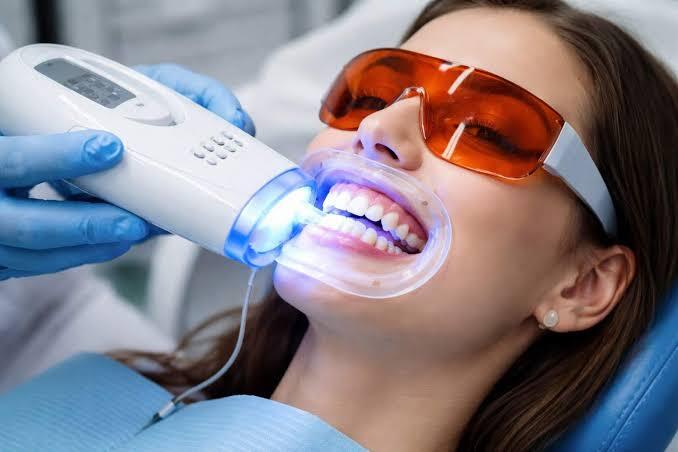
A good candidate for teeth whitening is someone with healthy teeth and gums, natural teeth that have no crowns or veneers on the visible front surfaces, yellow or surface-level staining, and realistic expectations about the result. Most healthy adults fit this profile, which is why whitening is the most popular cosmetic dental treatment and why about 67 percent of U.S. adults have tried it, according to industry survey data. The people who should wait are those with untreated decay, active gum disease, heavy sensitivity, or deep gray stains, since those situations need care first.
Below we lay out exactly who makes a strong candidate, who should hold off, which stains respond best, how age and pregnancy factor in, and the simple exam step that confirms whether whitening is right for you. Sourced dental data backs each point so you can judge your own smile with confidence.
Who Is a Good Candidate for Teeth Whitening?
A good candidate for teeth whitening has healthy teeth and gums, keeps their natural teeth, carries yellow or surface stains, and holds realistic expectations about how bright the result will be. Healthy teeth and gums matter most, because whitening gel works safely only on a mouth that is free of decay and active gum problems. When the foundation is healthy, the peroxide can lift stains without irritating a nerve or an inflamed gumline.
Natural teeth are the second key trait. Whitening changes only real tooth enamel, so candidates whose visible front teeth are free of crowns, veneers, and fillings get the most even result. Yellow and surface staining rounds out the profile, since yellow tones from coffee, tea, and age respond faster and more predictably than deep discoloration. The clearest signs that you are a strong candidate include:
- Healthy teeth and gums with no untreated decay or active gum disease
- Natural teeth without crowns, veneers, or fillings on the visible front surfaces
- Yellow or surface-level staining from food, drinks, tobacco, or aging
- Realistic expectations that whitening lightens several shades rather than creating a pure bright-white color
- A willingness to follow easy at-home instructions and limit staining habits afterward
Realistic expectations tie the whole profile together. Whitening lightens natural enamel toward its brightest healthy shade, so a candidate who understands that goal walks away happy rather than chasing an unnatural look. If your smile matches these traits, our custom whitening trays are an easy way to brighten from home with professional guidance.
Do You Need Healthy Gums to Whiten Your Teeth?
Yes, you need healthy gums to whiten your teeth safely, because whitening gel can irritate inflamed or receding gum tissue and cause discomfort. Inflamed gums from gum disease react poorly to peroxide, so any active infection should be treated first. Receding gums add a second issue, since the exposed root surface does not whiten the way enamel does and tends to be more sensitive. Treating gum problems through gum disease treatment first sets up a safer, more even whitening result.
Who Is Not a Good Candidate for Teeth Whitening?
People who are not good candidates for teeth whitening include those with untreated decay, active gum disease, heavy tooth sensitivity, many visible restorations, deep gray stains, or those who are pregnant, breastfeeding, or under age 16. Most of these situations call for treatment or timing rather than a permanent no. Once the underlying issue is handled, many patients who were not candidates at first become good candidates later.
Restorations are the most common mismatch. Whitening does not change crowns, veneers, or fillings, so someone with several visible restorations may end up with a patchy, uneven shade if only the natural teeth lighten. Deep gray discoloration from trauma or medication is the other frequent limit, because peroxide cannot reach color that sits inside the tooth structure. In these cases a cosmetic fix like dental bonding or a matched crown creates an even smile that whitening alone cannot.
Not being a whitening candidate rarely means no options at all. Reviewing the full range of cosmetic options helps patients with restorations or deep stains find a treatment that brightens their smile another way.
Can You Whiten Your Teeth if You Have Cavities?
No, you should not whiten your teeth if you have cavities, because whitening gel can seep into decayed areas and irritate the nerve, causing sharp pain. Active decay needs to be treated before any whitening starts, since peroxide reaching an unprotected pulp increases discomfort and risk. A dentist fills the cavity first, then clears you for whitening once the tooth is sealed and healthy. Handling decay early through routine care and a dental exam keeps the path to whitening open.
Can You Whiten Teeth With Sensitive Teeth?
Yes, you can whiten teeth with sensitive teeth, but a gentler approach and dentist guidance make the process comfortable. Sensitive teeth react more to peroxide, so the answer is a milder gel, shorter wear times, and a desensitizing product rather than skipping whitening entirely. Whitening gels that contain potassium nitrate and fluoride calm the nerve endings and reduce sensitivity, according to the American Dental Association. Custom trays help even more, since a snug fit keeps gel off the gums and lowers irritation for people prone to discomfort.
Which Stains Respond Best to Whitening?
Extrinsic stains on the surface of the enamel respond best to whitening, while intrinsic stains inside the tooth respond poorly. Extrinsic stains come from coffee, tea, red wine, and tobacco, and these surface stains lift easily because the gel reaches them directly. Intrinsic stains form deep in the tooth from aging, trauma, or medication, and these deeper stains resist bleaching because the color source sits below the enamel. Knowing which type you have predicts how well whitening will work, and the table below breaks down the difference.
| Stain Type | Where It Forms | Common Causes | Responds to Whitening? | Best Fix |
|---|---|---|---|---|
| Extrinsic (surface) | On the outer enamel | Coffee, tea, red wine, tobacco | Yes, responds well | Professional whitening |
| Intrinsic (internal) | Inside the tooth structure | Aging, trauma, medication, fluorosis | Limited or no response | Bonding, veneers, or crowns |
| Age-related | Thinning enamel plus surface stain | Years of wear and staining | Partly, surface layer lifts | Whitening with realistic goals |
Sources: American Dental Association (MouthHealthy); Healthline stain classification; Colgate surface-stain guidance.
Can Yellow Teeth Really Be Whitened?
Yes, yellow teeth can really be whitened, and yellow is the shade that responds best to peroxide whitening. Yellow tones usually come from surface stains and thinning enamel, and both sit within reach of the whitening gel. The American Dental Association notes that yellow teeth typically bleach well, brown teeth respond less predictably, and gray teeth may not bleach at all, so yellow staining is the strongest sign that whitening will deliver a clear result.
Which Teeth Cannot Be Whitened?
Teeth that cannot be whitened include crowns, veneers, fillings, and teeth with deep gray or intrinsic stains, because peroxide only lightens natural enamel. Restorations are made from porcelain, ceramic, or composite resin, and whitening gel has no effect on those materials, so a restored tooth keeps its shade while natural teeth around it brighten. This is why dentists often whiten first, then match new work such as dental crowns to the lighter shade afterward. Gray tones from a dead nerve or medication are the other common exception that usually will not lift with normal bleaching.
What Foods Stain Your Teeth the Most?
The foods and drinks that stain your teeth the most are coffee, tea, red wine, cola, dark berries, tomato-based sauces, and soy sauce, because each carries strong color pigments called chromogens. Chromogens cling to the enamel with repeated contact, so daily coffee or tea drinkers see stains build fastest. Acidic items like citrus add to the problem by softening enamel briefly, which lets new stains grip harder and dulls a bright smile sooner.
Does Age Affect Whitening Candidacy?
Yes, age affects whitening candidacy, since whitening is generally not recommended for children under 16 and works differently for older adults. Younger patients are usually not candidates because the pulp chamber, the nerve space inside the tooth, stays enlarged until about age 16, and whitening at that stage can irritate the nerve. In the United States, dentists commonly set 18 as the age for whitening under American Dental Association guidance, though some states allow 16 when a dentist confirms the patient is ready.
Older adults sit at the opposite end and are usually strong candidates. Aging teeth carry two kinds of color at once, surface stains plus natural darkening from thinning enamel that exposes the yellower dentin beneath. Whitening lifts the surface stain layer well, so most older patients see a clear improvement even if the dentin-based tone only lightens so far.
Can 60 Year Old Teeth Be Whitened?
Yes, 60 year old teeth can be whitened, and whitening is safe and effective for older adults whose teeth and gums are healthy. Healthy older teeth respond well to the surface-stain lifting that whitening does best, though the natural darkening from thinner enamel may only lighten partway. A dentist such as Dr. Yu sets realistic shade goals for older patients so the result looks bright and natural rather than forced.
What Should You Do Before Whitening Your Teeth?
Before whitening your teeth, you should see a dentist for an exam, treat any decay or gum problems, get a cleaning, and have custom trays fitted. A dental exam is the true first step, because it confirms whether you are a candidate and catches issues that could turn whitening painful. Skipping the exam is the most common reason people get uneven results or unexpected sensitivity.
Preparation protects both comfort and outcome. A professional cleaning clears surface plaque so the gel works on the enamel itself rather than on buildup, and a candidacy check rules out hidden decay. Here in Southwest Houston, we walk every whitening patient through a simple preparation sequence:
- Book a consultation and exam so the dentist can confirm you are a good candidate.
- Treat any cavities or gum disease first, since whitening a healthy mouth is safest.
- Get a professional cleaning to remove plaque and surface buildup before whitening.
- Have custom trays made from an impression of your teeth for even gel coverage.
- Follow the at-home instructions for wear time and aftercare to protect your result.
Following this order pays off in a smoother experience. A confirmed candidate with a clean, healthy mouth gets the fastest, most even brightening, which is exactly what our take-home whitening kits are built to deliver.
What Is the Healthiest Way to Whiten Your Teeth?
The healthiest way to whiten your teeth is with dentist-supervised whitening using custom trays or an in-office treatment, since professional guidance protects your enamel and gums. Dentist supervision matters because the strong peroxide in whitening gel should be handled by someone trained to use it safely. Only dentist-dispensed home products with 10 percent carbamide peroxide and in-office products with 35 percent hydrogen peroxide carry the American Dental Association Seal of Acceptance, which signals tested safety and effectiveness.
Is Teeth Whitening Safe?
Yes, teeth whitening is safe when it is done correctly under dental guidance, and decades of research confirm that peroxide whitening does not harm enamel when instructions are followed. Safe whitening starts with a healthy mouth and the right concentration of gel, which is why a dentist checks candidacy first. Sensitivity is the most common side effect, and it happens when peroxide passes through the enamel to the dentin and briefly irritates the nerve.
Sensitivity is usually mild and short-lived. Clinical studies report that whitening sensitivity affects roughly 30 to 78 percent of patients depending on gel strength, yet the discomfort normally fades within about four days, according to the British Dental Journal. Custom trays lower the risk further, since a snug fit keeps gel off the gum tissue and delivers the safest at-home experience. Professional teeth whitening pairs this gum protection with dentist oversight for a comfortable result.
Whitening also fits naturally alongside the rest of our cosmetic dentistry care once a dentist confirms your mouth is ready.
Frequently Asked Questions
Do Teeth Turn Yellow Again After Whitening?
Yes, teeth turn yellow again after whitening, because the treatment removes existing stains but cannot stop new ones from forming. New staining is gradual and depends on diet, tobacco, and oral care. A quick touch-up with custom trays lifts the returning color long before teeth reach their original shade.
Can You Whiten Teeth With Braces?
Whitening teeth with fixed metal braces is not ideal, because the brackets block the gel and can leave uneven color once they come off. Waiting until the braces are removed lets the gel reach the whole tooth for an even result. Patients with clear aligners have more flexibility and should ask their dentist about timing.
How Long Does It Take to See Whitening Results?
You start to see whitening results within a few days, and most at-home tray programs reach full brightness in about two to four weeks. The timeline depends on how deep your stains are, since surface stains lift faster than older ones. Consistent daily wear as directed keeps the process on track.
Do Custom Trays Work Better Than Store-Bought Kits?
Yes, custom trays work better than store-bought kits, because a molded tray holds professional-strength gel evenly against every tooth while one-size kits cover only the flat front area. Even coverage produces a more uniform result and lowers the chance of gum irritation. The snug fit is why dentist-fitted trays outperform drugstore options.
Does Insurance Cover Teeth Whitening?
Dental insurance usually does not cover teeth whitening, because whitening is a cosmetic treatment rather than a medical necessity. Many practices offer flexible payment options to make cosmetic care easier to manage. It is worth asking your dental office what options are available before you begin.
The Takeaway
A good candidate for teeth whitening has healthy teeth and gums, natural teeth free of visible restorations, yellow or surface staining, and realistic expectations, which describes most healthy adults. People with untreated decay, active gum disease, heavy sensitivity, deep gray stains, or who are pregnant or under 16 should wait or choose another route, and a quick dental exam confirms exactly where you stand. With a healthy mouth and professional-grade custom trays, brightening your smile is safe, simple, and effective.
If you want to find out whether whitening is right for you, the team at Bright Value Dental is happy to check your candidacy and walk you through your options. Feel free to call us at 713-668-1600 whenever you are ready to brighten your smile.