
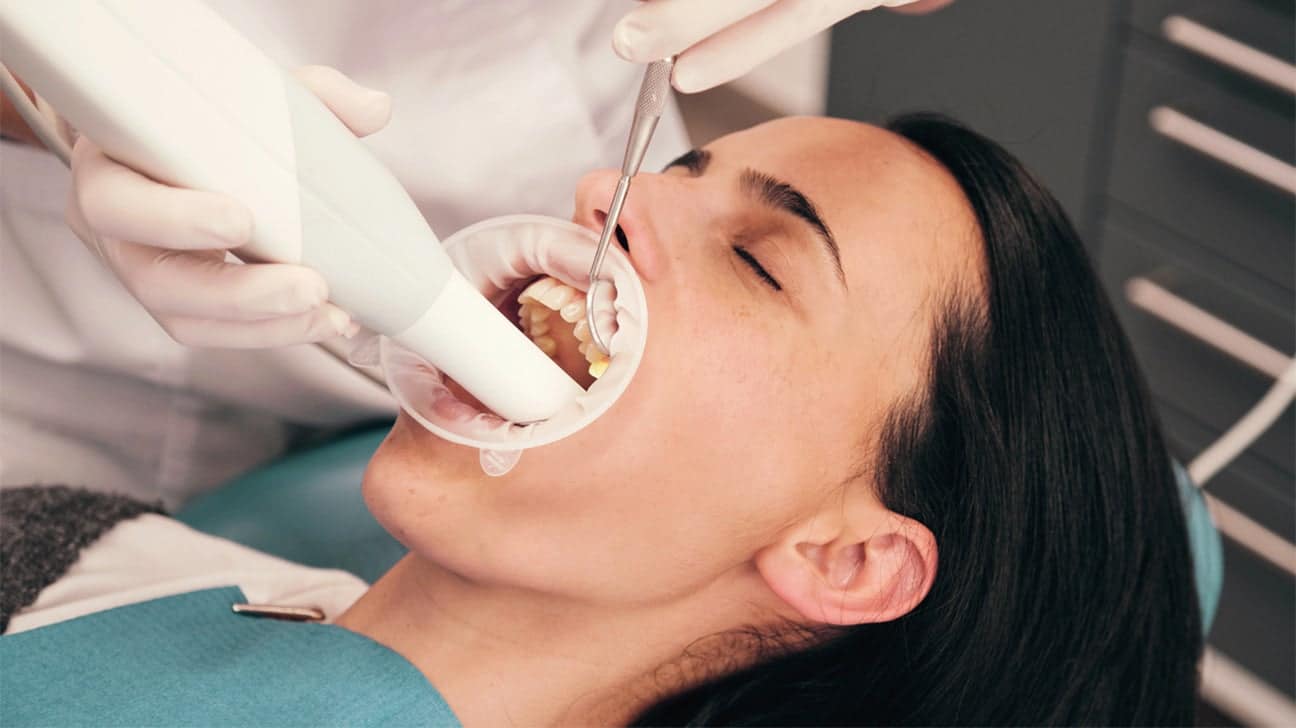
A deep cleaning for gum disease is a non-surgical procedure called scaling and root planing that removes plaque, tartar, and bacteria from below the gum line. It is the standard first-line treatment for periodontitis, the advanced form of gum disease that damages the bone and tissue supporting your teeth. According to the CDC, about 42% of American adults aged 30 and older have some form of periodontal disease. A 2015 meta-analysis published in the Journal of the American Dental Association reviewed 72 clinical trials and found that scaling and root planing effectively improves gum attachment and reduces pocket depth in patients with chronic periodontitis. The procedure is done under local anesthesia, takes one to two visits, and most patients return to normal activity the same day.
What a Deep Cleaning Is and How It Differs from a Regular Cleaning
A regular dental cleaning, called a prophylaxis, removes plaque and tartar from the visible surfaces of the teeth and slightly below the gum line. It is a preventive procedure recommended every six months for patients with healthy gums. A deep cleaning goes further. It targets the plaque and hardened tartar that have built up on the tooth roots inside the gum pockets.
Gum pockets form when bacteria cause the gums to pull away from the teeth. Healthy pockets measure 1 to 3 millimeters. When pockets reach 4 millimeters or deeper, a regular cleaning is not enough to remove the buildup. At this point, scaling and root planing is needed to stop the infection and allow the gums to heal.
The ADA confirms that if gum disease has not yet damaged the structures below the gum line, a professional cleaning should be sufficient. If pockets are too deep, scaling and root planing becomes necessary.
We provide both preventive cleanings and deep cleanings at our Southwest Houston dental office so patients can get the right level of care based on their gum health.
What Happens During Scaling and Root Planing
The deep cleaning procedure has two parts. Scaling is the first step. During scaling, the dentist or hygienist uses hand instruments and ultrasonic tools to remove all plaque and tartar from the tooth surfaces and below the gum line, all the way to the bottom of each pocket. Ultrasonic scalers use high-frequency vibrations and water to break up hardened deposits.
Root planing is the second step. After the tartar is removed, the root surfaces of the teeth are smoothed. This makes it harder for bacteria to reattach and helps the gum tissue heal and tighten back around the teeth. The ADA explains that smoothing the roots helps the gums reattach to the teeth.
Local anesthesia is used to numb the treatment area so you stay comfortable throughout the procedure. The Cleveland Clinic notes that most patients feel pressure and vibration during the process, but sharp pain is not typical. Depending on the extent of the disease, the procedure may be completed in one visit or split across two appointments.
Dr. David Yu has performed thousands of periodontal treatments in our Bellaire-area office. We use gentle techniques and modern instruments to keep the experience as comfortable as possible.
Who Needs a Deep Cleaning
Not everyone needs a deep cleaning. Your dentist will determine whether scaling and root planing is necessary based on a periodontal exam that measures the depth of gum pockets around each tooth. If any pockets measure 4 millimeters or deeper, gum disease is likely present and a deep cleaning may be recommended.
Other signs that may indicate a need for deep cleaning include gums that bleed during brushing or flossing, red or swollen gums, persistent bad breath, gum recession, and teeth that feel loose. The CDC reports that about 8% of American adults have severe periodontitis, and many more have mild to moderate forms that benefit from early intervention.
Smokers are at significantly higher risk for gum disease. The NIH MedlinePlus publication reports that more than 60% of current smokers have periodontal disease. People with diabetes, a family history of gum disease, or those taking medications that cause dry mouth are also at higher risk.
Patients in the Sharpstown and Gulfton communities who visit our office for general dental checkups regularly have gum pocket measurements taken at every visit so problems are caught early.
Regular Cleaning vs. Deep Cleaning Comparison
| Feature | Regular Cleaning (Prophylaxis) | Deep Cleaning (Scaling and Root Planing) |
| Purpose | Preventive maintenance for healthy gums | Therapeutic treatment for gum disease |
| Area cleaned | Above the gum line and slightly below | Below the gum line, down to the bottom of pockets |
| Anesthesia | Typically not needed | Local anesthesia is used for comfort |
| Number of visits | One visit, usually 30-60 minutes | One to two visits, 1-2 hours per session |
| When recommended | Pockets 1-3 mm, no signs of gum disease | Pockets 4 mm or deeper, active gum disease |
| Follow-up | Every 6 months | Periodontal maintenance every 3-4 months |
| Insurance coverage | Covered by most dental plans as preventive care | Covered by most PPO, Medicaid, and CHIP plans as therapeutic care |
Sources: ADA, Cleveland Clinic, CDC
What to Expect After a Deep Cleaning
After scaling and root planing, it is normal to experience mild soreness and gum tenderness for a day or two. Some patients also notice increased tooth sensitivity to hot and cold for up to a week. The ADA notes that gums may be swollen, tender, and bleed slightly in the days following the procedure. These symptoms are temporary and usually resolve on their own.
Over-the-counter pain relievers can help manage any discomfort. Your dentist may also prescribe an antimicrobial mouth rinse or place medication directly into the cleaned pockets to help control bacteria and support healing.
As the gums heal and inflammation goes down, they tighten back around the teeth. The Cleveland Clinic notes that this may cause your teeth to look slightly longer as the swelling resolves and the gum tissue shrinks to a healthier position. This is a sign that healing is happening.
We schedule a follow-up visit four to six weeks after your deep cleaning to check how the gums have healed and measure pocket depths again. If pockets have improved, we transition you to a periodontal maintenance schedule of cleanings every three to four months.
Why Periodontal Maintenance Matters After Treatment
A deep cleaning is not a one-time fix. The bacteria that cause gum disease can return if the teeth and gums are not maintained properly. Research shows that bacteria begin to recolonize within a few months after scaling and root planing. This is why periodontal maintenance visits every three to four months are so important.
During maintenance visits, we remove any new buildup, measure pocket depths, and check for signs of disease activity. Patients who stay on a regular maintenance schedule have the best long-term outcomes and the lowest chance of needing more invasive treatments like surgery.
The NIDCR reports that 42.2% of adults 30 and older have periodontitis. For those who have already been treated, consistent maintenance is the most effective way to keep the disease under control. Families in the Meyerland and Brays Oaks communities benefit from our Saturday and evening hours, which make it easier to stay on schedule.
We accept most PPO, Medicaid, CHIP, and Medicare plans to help make periodontal maintenance affordable.
How a Deep Cleaning Protects Your Overall Health
Gum disease affects more than your mouth. The American Heart Association published a scientific statement in December 2025 confirming that periodontal disease is associated with a higher risk of heart attack, stroke, and heart failure. Treating gum disease reduces the bacterial load in your mouth and lowers chronic inflammation throughout the body.
The NIDDK reports that diabetes and periodontal disease have a two-way relationship, with each condition making the other harder to control. Nearly 60% of people with diabetes also have gum disease, according to NIH MedlinePlus. Getting a deep cleaning and staying on a maintenance schedule can support better blood sugar management for patients with diabetes.
Scheduling regular dental cleanings for your whole family is one of the simplest steps you can take to protect both oral and overall health.
Frequently Asked Questions
Does Deep Cleaning Heal Gum Disease?
Yes, deep cleaning can heal gum disease when it is performed at the right stage. The ADA confirms that scaling and root planing is beneficial for patients with chronic periodontitis. The procedure removes the bacteria and tartar that cause the infection, allowing the gums to heal and reattach to the teeth. For gingivitis, a standard cleaning is usually enough. For periodontitis with pockets of 4 mm or deeper, a deep cleaning is the recommended treatment. It will not reverse bone loss that has already occurred, but it can stop the disease from progressing further.
How Painful Is Deep Gum Cleaning?
Deep gum cleaning is not painful for most patients because local anesthesia is used to numb the treatment area. The Cleveland Clinic states that patients typically feel pressure and vibration but not sharp pain during the procedure. After the anesthesia wears off, mild soreness and gum tenderness may last a day or two. Over-the-counter pain relievers are usually enough to manage it. Our team at Bright Value Dental prioritizes patient comfort and will make sure you are fully numb before starting.
Do They Numb You for a Deep Cleaning at the Dentist?
Yes, they numb you for a deep cleaning at the dentist. A topical numbing gel is applied to the gums first, followed by a local anesthetic injection to fully numb the treatment area. This allows the dentist or hygienist to clean below the gum line without causing discomfort. Once the area is numb, most patients report feeling only pressure and the vibration of the instruments.
How Fast Do Gums Heal After Deep Cleaning?
Gums heal relatively fast after a deep cleaning. Most patients see improvement in gum tenderness within two to three days. Tooth sensitivity usually resolves within one to two weeks. The ADA notes that full gum healing and reattachment to the teeth can take several weeks. We schedule a follow-up visit about four to six weeks after the procedure to check your progress and measure pocket depths.
Will My Gums Hurt After a Deep Cleaning?
Your gums may feel mildly sore or tender after a deep cleaning, but this is temporary. The soreness usually lasts one to two days and can be managed with over-the-counter pain medication. The ADA also notes that gums may bleed slightly for a short time after the procedure. Rinsing with warm salt water can help with comfort during the healing period. If pain is severe or lasts more than a few days, contact your dentist.
Do Gums Grow Back After Scaling?
Gums do not grow back after scaling in the traditional sense, but they do heal and tighten around the teeth after the infection and inflammation are removed. If gum recession occurred due to periodontitis, the tissue will not regenerate on its own. However, the deep cleaning stops further recession and allows the remaining gum tissue to reattach more firmly to the tooth roots. For patients with significant recession, we can discuss restorative options including dental crowns or other treatments to protect exposed roots.
Is It Worth Paying for a Deep Clean?
A deep cleaning is absolutely worth it because it prevents gum disease from advancing to a stage that requires surgery or leads to tooth loss. Untreated periodontitis is the leading cause of tooth loss in adults, according to the CDC. The cost of a deep cleaning is far less than the cost of extractions, dentures, or other restorative procedures that become necessary when gum disease is ignored.
Most dental insurance plans cover scaling and root planing. We also offer affordable options for patients without insurance and CareCredit financing to make treatment accessible.
What It All Comes Down To
A deep cleaning is one of the most effective treatments available for gum disease. It stops the infection, removes the buildup your toothbrush cannot reach, and gives your gums the chance to heal. The procedure is safe, well-studied, and far less invasive than surgical alternatives.
If your dentist has recommended a deep cleaning, or if you have been putting off a dental visit because of bleeding or sore gums, schedule an appointment now. Early treatment prevents bigger problems down the road.
We also provide cosmetic dentistry and complete family dental care at our office.
Families who need pediatric dentistry can bring their children to see us as well.
If gum disease has damaged a tooth beyond repair, we provide gentle tooth extractions with same-day availability.
Bright Value Dental has served the Bellaire, Sharpstown, Gulfton, Alief, Meyerland, and Brays Oaks communities for over 25 years. Call us at 713-668-1600 to schedule your deep cleaning today.