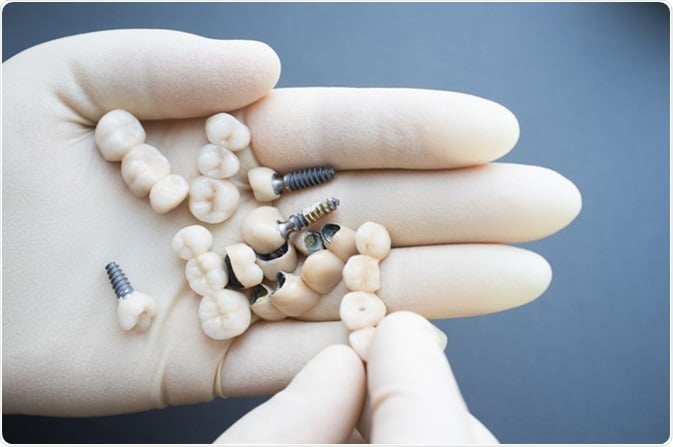
Dental Crowns and Tooth Protection

2026-08-27T10:00:32-05:00 September 1st, 2026|Dentistry Articles|0 Comments

A dental crown is a custom-fitted cap that covers the entire visible part of a tooth to restore its strength, shape, and function while protecting it from further damage. Crowns shield weakened teeth from fracture, reinforce teeth damaged by large cavities or cracks, protect brittle teeth after root canal treatment, and seal out bacteria and decay-causing acids from reaching vulnerable tooth structure. Proper crown care, including twice-daily brushing, daily flossing, avoiding hard foods, and wearing a night guard for grinding, keeps a crown functional for 10 to 15 years or longer. This article explains why you might need a crown, what types of crowns exist, how the procedure works, and how to protect your investment for as long as possible.

What Is a Dental Crown and How Does It Protect Your Tooth?

A dental crown is a tooth-shaped cap that fits over the entire visible portion of a tooth, from the biting surface down to the gum line. Your dentist bonds the crown permanently to the prepared tooth using dental cement, creating a strong seal that holds the restoration firmly in place. The crown protects your tooth by forming a complete barrier around weakened or damaged tooth structure, sealing out bacteria and food particles that cause decay.

This barrier does more than block bacteria. A dental crown redistributes the forces you generate when you chew, spreading pressure evenly across the tooth surface instead of concentrating it on a cracked or thinned area. Even pressure distribution prevents stress fractures that could split a compromised tooth. A study published in the Journal of Prosthetic Dentistry found that root-canal-treated molars without crowns had only a 36% survival rate at five years, while the same teeth protected with crowns survived at dramatically higher rates. That gap illustrates exactly how much structural reinforcement a crown provides.

The crown material itself cannot decay. Porcelain, zirconia, and metal alloys resist the acids that erode natural enamel. The natural tooth underneath the crown remains alive in most cases, which means it still needs proper care. Crown protection works in partnership with good oral hygiene, not as a replacement for it.

What Holds a Crown in Place?

What holds a crown in place is dental cement, a strong adhesive material that bonds the inner surface of the crown to the prepared tooth structure underneath. Modern dental cements include resin-based adhesives, glass ionomer cements, and zinc phosphate formulations. Resin cements provide the strongest bond and are commonly used for ceramic and dental crowns made of porcelain or zirconia. The cement fills microscopic gaps between the crown and the tooth, creating a tight seal that prevents bacteria from entering.

Beyond cement, the shape of the prepared tooth plays a critical role. Your dentist reshapes the tooth to create a tapered form that lets the crown slide on with friction fit. Friction fit combined with cement produces a hold strong enough to withstand years of chewing forces. A properly fitted crown should not move, wobble, or feel loose at any point during normal use.

When Does a Tooth Need a Dental Crown?

A tooth needs a dental crown when its remaining structure is too weak, too damaged, or too decayed to function safely on its own. Crowns serve as the next level of protection when simpler restorations like fillings cannot provide enough support.

Common situations where a crown becomes the right choice include:

  • A large cavity that has destroyed too much tooth structure for a standard filling to hold
  • A cracked or fractured tooth that risks splitting further under normal chewing pressure
  • A tooth that has undergone root canal treatment and lost internal structural support
  • A tooth worn down by grinding, clenching, or long-term acid erosion
  • A severely discolored or misshapen tooth that needs both cosmetic and structural correction
  • A tooth that must anchor a dental bridge to replace a missing adjacent tooth
  • A dental implant that needs a visible, functional tooth on top of the titanium post

According to the National Dental Practice-Based Research Network, 94% of dentists surveyed recommended crowns for posterior teeth that had received root canal treatment. That near-unanimous recommendation reflects how reliably crowns protect teeth in the most structurally vulnerable situations. Early crown placement also prevents minor problems from becoming major ones. A cracked tooth that receives a crown promptly avoids the progression to a complete fracture that might require tooth extraction.

Dental Crown vs. Filling: When Do You Need a Crown?

A dental crown is needed instead of a filling when the damage to the tooth extends beyond what a filling can structurally support. Fillings work well for small to moderate cavities where plenty of healthy tooth structure remains around the restoration. Fillings sit inside the tooth and rely on the surrounding walls for strength.

Crowns work differently. A crown wraps around the entire tooth, providing strength from the outside. When more than half of the tooth’s biting surface is damaged, or when a crack runs along the side of the tooth, a filling alone cannot prevent further breakdown. The tooth needs the full coverage that only a crown delivers. Your dentist evaluates the extent of damage, the location of the tooth, and the biting forces it absorbs before recommending the right restoration.

When Is It Too Late to Put a Crown on a Tooth?

It is too late to put a crown on a tooth when the remaining tooth structure is not strong enough to support the restoration, or when infection has spread beyond what root canal treatment can resolve. A crown needs a solid foundation. The tooth must have enough healthy structure above the gum line for the crown to grip securely. Severe decay that extends deep below the gum line, a vertical root fracture, or advanced gum disease with significant bone loss can all make a crown impractical.

This is one reason we encourage patients not to delay treatment. The sooner a weakened tooth receives a crown, the more natural tooth structure is preserved. Waiting allows cracks to deepen, decay to spread, and healthy enamel to erode, all of which reduce the chance that a crown can save the tooth.

What Types of Dental Crowns Are There?

The types of dental crowns available today include porcelain, porcelain-fused-to-metal (PFM), zirconia, gold and metal alloy, and resin. Each material offers a different balance of strength, appearance, and longevity. The right choice depends on which tooth needs the crown, how much biting force that tooth absorbs, and how important a natural look is to you.

Porcelain (All-Ceramic) Crowns

Porcelain crowns replicate the translucency and color of natural tooth enamel better than any other material. Lithium disilicate, sold under the brand name IPS e.max, is one of the most widely used porcelain crown materials. Lithium disilicate delivers a flexural strength of 400 to 500 megapascals (MPa), according to materials science data published in the International Journal of Prosthodontics. That strength level handles normal chewing forces on front teeth comfortably. Porcelain crowns are the preferred choice for teeth that show when you smile, where appearance matters most.

Porcelain-Fused-to-Metal (PFM) Crowns

PFM crowns combine a metal substructure with a porcelain outer layer. The metal core provides structural strength while the porcelain coating creates a natural look. PFM crowns work for both front and back teeth and typically last 10 to 15 years. One drawback is that a dark metal line can become visible at the gum line over time, especially as gums recede with age. A 2025 study published in Cureus found that zirconia crowns produced better gingival health outcomes than PFM crowns at six months, which has contributed to the shift toward all-ceramic options in recent years.

Zirconia Crowns

Zirconia crowns represent the strongest metal-free option in cosmetic dentistry today. Zirconium dioxide delivers a flexural strength of 900 to 1,200 MPa, making it three to ten times stronger than traditional porcelain. Zirconia also exhibits a property called transformation toughening, where the crystal structure compresses around microscopic cracks and stops them from spreading. Clinical studies report a 92% survival rate for zirconia crowns at 10 years. Zirconia works well for both front and back teeth and is a strong choice for patients who grind their teeth.

Gold and Metal Alloy Crowns

Gold crowns have the longest track record of any crown material. Research shows a 96% survival rate at 10 years for gold crowns. Gold wears at a rate similar to natural tooth enamel, so it does not damage the teeth it bites against. Gold crowns also require less tooth removal during preparation, preserving more natural tooth structure. The obvious drawback is appearance. Gold crowns are typically reserved for molars in the back of the mouth where strength matters more than aesthetics.

Resin Crowns

Resin crowns are the least expensive option and are primarily used as temporary restorations. Resin lacks the strength and wear resistance of ceramic or metal materials, which limits its average lifespan to three to five years. Your dentist typically places a resin crown to protect a prepared tooth while the permanent crown is being fabricated at the dental laboratory.

Crown MaterialFlexural StrengthAverage LifespanBest ForAppearance
Porcelain (Lithium Disilicate)400-500 MPa10-15 yearsFront teethMost natural
Porcelain-Fused-to-MetalVaries (metal core)10-15 yearsFront and back teethNatural with possible metal line
Zirconia900-1,200 MPa15-20+ yearsBack teeth, bruxism patientsGood, improving
Gold / Metal AlloyVery high20+ yearsMolarsMetallic
ResinLow3-5 yearsTemporary useAcceptable short-term

The material your dentist recommends depends on where the tooth sits in your mouth and how much force it handles during chewing. Front teeth benefit from porcelain’s natural translucency. Back teeth need the fracture resistance that zirconia or metal alloys provide. Your bite pattern, grinding habits, and cosmetic preferences all factor into the decision.

How Do Dental Crowns Protect Teeth After a Root Canal?

Dental crowns protect teeth after a root canal by replacing the structural support that the tooth lost during the procedure. Root canal treatment involves removing the infected or damaged pulp tissue from inside the tooth. The dentist cleans, disinfects, and fills the internal chamber with a rubber-like material called gutta-percha. This process saves the tooth from extraction, but it also hollows out a significant portion of the internal structure.

A tooth without its internal pulp becomes more brittle over time because the pulp contained blood vessels that supplied moisture and nutrients to the dentin. Brittle dentin fractures more easily under normal chewing forces. According to research reviewed by the Canadian Agency for Drugs and Technologies in Health (CADTH), root-canal-treated teeth restored with crowns showed a 94% cumulative survival rate at five years, while teeth restored with only direct fillings dropped to 63% over the same period. That 31-percentage-point gap represents the structural reinforcement a crown provides.

Additional clinical data reinforces this finding. Teeth protected with crowns after root canal treatment are six times more likely to survive long-term than those left without crown coverage, according to studies cited in the British Dental Journal. The crown wraps around the weakened tooth like a protective shell, holding the walls together and absorbing chewing forces that would otherwise split the dentin. For molars especially, which endure the heaviest grinding and crushing forces during eating, a crown after a root canal is considered standard care by the vast majority of dental professionals.

What Happens During a Dental Crown Procedure?

A dental crown procedure typically requires two separate appointments spaced two to three weeks apart. The process involves preparing the tooth, taking impressions, placing a temporary crown, and then bonding the permanent crown at the second visit.

  1. Examination and preparation: Your dentist examines the tooth, takes X-rays to assess the root and surrounding bone, and removes any decayed or damaged portions. The remaining tooth structure is reshaped into a tapered form that creates a stable foundation for the crown. The amount of enamel removed is typically 1 to 2 millimeters around the entire circumference of the tooth.
  2. Impressions: Your dentist takes a precise mold of the prepared tooth and the surrounding teeth. Many offices now use digital scanners instead of traditional putty-based impressions. Digital scans capture exact measurements and send them directly to the dental laboratory where a technician fabricates the crown to match your bite.
  3. Temporary crown placement: A temporary crown made of resin or acrylic is placed over the prepared tooth. The temporary crown protects the tooth from sensitivity and bacteria while the permanent crown is being made. Temporary crowns are attached with weaker cement so they can be removed easily at the next appointment.
  4. Permanent crown bonding: At the second visit, the temporary crown is removed. Your dentist checks the fit, color, and shape of the permanent crown, makes any necessary adjustments, and bonds it to the tooth with strong dental cement. The result is a restoration that looks, feels, and functions like a natural tooth.

The entire procedure is performed under local anesthesia, so you should not feel pain during either visit. Most patients return to their normal routine the same day. We use gentle techniques at our Southwest Houston office to keep every patient comfortable throughout the process.

Is Getting a Dental Crown a Big Deal?

Getting a dental crown is not a big deal in terms of pain or recovery. The procedure is routine, well-established, and performed millions of times each year across the United States. Local anesthesia numbs the area completely during tooth preparation, and most patients experience only mild sensitivity for a few days after each appointment. Over-the-counter pain relievers like acetaminophen or ibuprofen manage any post-procedure soreness effectively. The two-appointment timeline allows you to maintain your normal schedule with minimal disruption.

How Long Do Dental Crowns Last?

Dental crowns last 10 to 15 years on average, and many last significantly longer with proper care. A literature review published in the Journal of Prosthetic Dentistry by Pjetursson (2007) estimated a survival rate of 95% for dental crowns at five years and 90% at 10 years. Longer-term data shows that 50% to 80% of crowns remain functional at 15 to 20 years, depending on the material, location in the mouth, and how well they are maintained.

Material choice affects longevity directly. Gold crowns show a 96% survival rate at 10 years, making them the most durable option by clinical measure. Zirconia crowns follow with 92% survival at 10 years, according to recent systematic reviews. Porcelain and PFM crowns typically fall in the 10-to-15-year range before replacement becomes necessary. Crowns on back teeth (molars and premolars) tend to wear out faster than crowns on front teeth because posterior teeth absorb far greater chewing forces during eating.

The quality of the original fit also plays a role. A crown that seats precisely on the prepared tooth with tight margins at the gum line lasts longer because bacteria have fewer entry points. Regular preventive care and checkups allow your dentist to catch early signs of wear before they become serious problems.

Do Crowns Eventually Get Removed?

Crowns do eventually get removed when they wear out, crack, loosen, or when the tooth underneath develops a problem that needs treatment. No dental restoration lasts forever. Over time, the cement can weaken, the crown material can chip, or the gum tissue can recede and expose the margin where the crown meets the natural tooth. When your dentist spots these issues during a routine exam, they will recommend replacing the crown before the problem damages the underlying tooth. Replacement follows the same two-visit process as the original placement.

Can a Tooth Still Decay Under a Dental Crown?

Yes, a tooth can still decay under a dental crown. The crown itself is made of materials like porcelain, zirconia, or metal that cannot develop cavities. However, the natural tooth underneath the crown remains alive and vulnerable to bacteria. Decay under a crown typically develops at the margin, the narrow junction where the edge of the crown meets the natural tooth surface at or near the gum line.

Several factors contribute to decay under crowns. Microscopic gaps can form at the crown margin over time as cement gradually breaks down. Gum recession exposes root surfaces that the crown was not designed to cover. Poor oral hygiene allows plaque to accumulate around the base of the crown, and the bacteria in that plaque produce acids that attack the exposed tooth structure. A high-sugar diet accelerates this process.

Warning signs of decay under a crown include new sensitivity to hot or cold, a dark line visible at the gum line, a persistent bad taste or odor, swollen or tender gums around the crowned tooth, or a crown that feels loose. Catching decay early is critical. Small decay can be treated by removing the old crown, cleaning the tooth, and placing a new crown. Advanced decay may require root canal treatment or, in severe cases, extraction. This is why consistent dental checkups matter even for teeth that already have crowns.

How to Take Care of a Dental Crown

Taking care of a dental crown requires the same habits that keep natural teeth healthy, with a few extra precautions. Proper crown care extends the lifespan of the restoration and protects the natural tooth underneath.

Brush at least twice a day using a fluoride toothpaste and a soft-bristled toothbrush. Pay close attention to the gum line around the crown, where plaque tends to accumulate. Floss once every day, threading the floss carefully around the crowned tooth to remove food particles and bacteria from the spaces your toothbrush cannot reach. An antibacterial mouthwash adds another layer of defense against plaque buildup.

Avoid chewing ice, hard candy, popcorn kernels, or other extremely hard foods that can crack or chip a crown. Sticky foods like taffy and caramels can pull at the crown and weaken the cement bond. If you use your teeth as tools to open packages or tear tape, stop. These habits put concentrated force on small areas of the crown that the material was not designed to handle.

Teeth grinding, known clinically as bruxism, is one of the most common threats to crown longevity. According to the Sleep Foundation, 8% to 31% of adults experience some form of bruxism, and sleep bruxism can generate up to 250 pounds of clenching force, per the Merck Manual. That level of force can crack porcelain crowns and accelerate wear on any material. A custom night guard distributes grinding forces across all of your teeth instead of concentrating them on individual crowns. If you suspect you grind your teeth, we can evaluate your bite and fit you with a protective guard. Patients with teeth grinding issues benefit enormously from this simple preventive step.

Is There Anything I Should Avoid After Getting a Crown?

Yes, there are several things you should avoid after getting a crown. For the first 24 to 48 hours after placement, avoid chewing on the crowned side of your mouth until the cement has fully set. Avoid sticky or chewy foods for the first week. Long-term, continue avoiding extremely hard foods, ice chewing, and habits like nail biting or pen chewing that place unnatural force on the crown. If you have a temporary crown, be especially careful. Temporary cement is weaker than permanent cement, and temporary crowns are more fragile. Avoid sticky foods entirely with a temporary crown, and chew on the opposite side of your mouth whenever possible.

What Happens if You Lose a Crown and Don’t Replace It?

If you lose a crown and don’t replace it, the exposed tooth is left vulnerable to rapid decay, further fracture, and increased sensitivity. The tooth underneath a crown has already been reshaped and reduced in size during the original preparation. Without the protective shell of the crown, this smaller, weaker tooth absorbs chewing forces it was never meant to handle alone. Cracks can deepen, decay can accelerate, and the tooth can eventually break to a point where extraction becomes the only option.

A missing crown also disrupts your bite alignment. The teeth on either side and the opposing tooth can shift into the gap over time, creating bite problems and making future dental work more complex. Replacing a lost crown quickly preserves the prepared tooth and avoids these complications. If your crown falls off, save it and contact your dentist as soon as possible. In many cases, the original crown can be recemented if the underlying tooth is still in good condition.

Do Dental Crowns Come Off Easily?

Dental crowns do not come off easily under normal conditions. A properly fitted and cemented crown should stay securely in place for years. Crowns can come loose if the cement deteriorates over time, if decay develops under the crown and weakens the bond, or if the tooth sustains trauma. Biting into extremely hard or sticky foods can also dislodge a crown. If your crown feels loose or moves when you chew, schedule an emergency dental visit promptly. Waiting allows bacteria to enter the gap and damage the unprotected tooth underneath.

Can a Dental Crown Be Replaced?

Yes, a dental crown can be replaced. Crown replacement follows the same general process as the original placement. Your dentist removes the old crown, evaluates the health of the underlying tooth, removes any new decay, reshapes the tooth if needed, takes new impressions, and fabricates a new crown. Most dental insurance plans allow crown replacement every five to eight years, though a well-maintained crown often lasts much longer than that.

Each replacement does remove a small amount of additional tooth structure. Repeated replacements over decades can eventually reduce the tooth to a point where it can no longer support a crown. This is why extending the life of each crown through proper care and regular custom dental crown checkups is so important. The goal is to make every crown last as long as possible, minimizing the total number of replacements a tooth needs over a lifetime.

How Does a Dentist Remove a Crown to Replace It?

A dentist removes a crown to replace it by carefully cutting through the crown material with a specialized dental bur, a small rotary instrument. The dentist makes a thin cut along the outer surface of the crown, then gently lifts it off the tooth. The process is performed under local anesthesia, so you feel pressure but not pain. In some cases, the crown can be pried off intact if the cement has weakened enough, but cutting is the more common approach because it avoids putting stress on the underlying tooth.

How Painful Is Replacing a Crown?

Replacing a crown is not painful because the procedure is performed under local anesthesia, the same numbing used during the original placement. You may feel slight pressure or vibration as the dentist removes the old crown, but the area is completely numb throughout the process. Post-procedure sensitivity is usually mild and resolves within a few days. Patients who have been through the process before often say the replacement appointment feels easier than the original because the tooth has already been shaped. If you have any concerns about comfort, talk to your dentist. Options like dental bonding or other restorations may also be discussed depending on the tooth’s condition.

Frequently Asked Questions

My Crown Fell Off While I Was Flossing. What Should I Do?

If your crown fell off while you were flossing, save the crown and contact your dentist right away. Rinse the crown gently with warm water. Do not try to reattach it with household glue or adhesive. Avoid chewing on the exposed tooth, and keep the area clean by rinsing with warm salt water. Your dentist can often recement the original crown the same day if the tooth underneath is healthy.

How Long Does It Take to Get a Dental Crown?

Getting a dental crown takes two appointments spread over two to three weeks. The first appointment for tooth preparation and impressions usually lasts 45 minutes to an hour. The second appointment for permanent crown placement typically takes 30 to 45 minutes. Some dental offices offer same-day crowns using CAD/CAM technology, which can complete the entire process in a single visit of about two hours.

Can You Eat Normally With a Dental Crown?

Yes, you can eat normally with a dental crown once the permanent restoration is bonded in place. Crowns are specifically designed to restore full chewing function. You should still avoid extremely hard foods like ice cubes and hard candy, and sticky foods like caramel and taffy, as these can damage or dislodge the crown over time.

Does Getting a Dental Crown Hurt?

Getting a dental crown does not hurt during the procedure because your dentist uses local anesthesia to numb the tooth and surrounding tissue completely. You may feel mild soreness or sensitivity for a few days after each appointment, especially to hot and cold temperatures. Over-the-counter pain relievers manage this discomfort effectively.

How Many Times Can a Tooth Be Crowned?

A tooth can be crowned multiple times, but there is no fixed number. Each replacement removes a small amount of tooth structure. The limiting factor is how much healthy tooth remains to support the next crown. A tooth with adequate structure and healthy roots can typically support two to three crowns over a lifetime with proper care between replacements.

What Is the Difference Between a Crown and a Veneer?

The difference between a crown and a veneer is coverage. A crown covers the entire tooth from all sides, restoring both strength and appearance. A veneer is a thin porcelain shell that covers only the front surface of the tooth for cosmetic improvement. Crowns are restorative and structural. Veneers are primarily cosmetic. If a tooth has significant damage, decay, or weakness, a crown is the appropriate choice. If the tooth is healthy but has surface imperfections like chips, stains, or minor misalignment, teeth whitening or veneers may be sufficient.

Do Dental Crowns Look Natural?

Dental crowns look natural when fabricated from modern ceramic materials like porcelain or zirconia. Dental technicians match the shade, translucency, and contour of the crown to your surrounding teeth. Porcelain crowns in particular replicate the light-transmitting properties of natural enamel so closely that most people cannot distinguish them from real teeth.

Putting It All Together

Dental crowns are one of the most reliable restorations in dentistry. They protect weakened teeth from further damage, restore full chewing function, and maintain the natural look of your smile. The clinical data supports their value: 95% of crowns survive at least five years, and many last 15 to 20 years or longer with consistent care. Choosing the right material, maintaining proper oral hygiene, wearing a night guard if you grind your teeth, and keeping up with regular dental exams all contribute to getting the longest possible life from every crown.

If you have a tooth that is cracked, decayed, or weakened, a dental crown may be the best way to save it and prevent bigger problems down the road. At Bright Value Dental, we are here to help you make the right decision for your smile. Give us a call at (713) 668-1600 to schedule a visit.

Appointments