
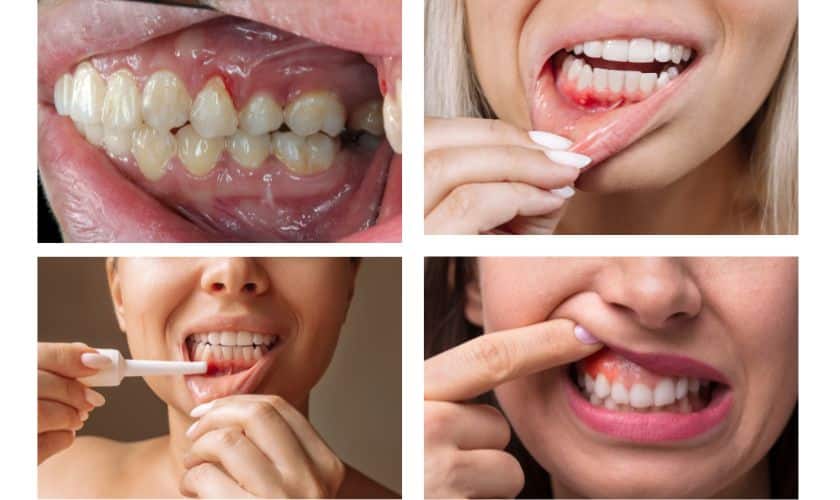
Treating gum disease in its early stages involves professional dental cleaning to remove plaque and tartar, followed by consistent brushing and flossing at home. The earliest stage of gum disease is called gingivitis, and the American Dental Association (ADA) confirms it is fully reversible when caught early. The key is to act quickly. According to the CDC, about 42% of American adults aged 30 and older have some form of periodontal disease. Most of them do not realize it because gingivitis rarely causes pain. With the right treatment, gum inflammation can improve in as little as two weeks, and long-term damage can be completely prevented.
Why Early Treatment Matters
Gingivitis is the only stage of gum disease that can be fully reversed. Once it progresses to periodontitis, the damage to bone and connective tissue is permanent. The Cleveland Clinic states that periodontitis causes the gums, ligaments, and bone to break down over time, and this damage cannot be fully restored.
Early treatment stops this progression before it starts. A professional cleaning removes the plaque and tartar that cause inflammation, and improved brushing and flossing at home prevent new buildup. Research published in the Journal of Periodontal Research found that gum inflammation can begin to decrease within 7 to 10 days after a thorough professional cleaning.
The longer gingivitis goes untreated, the greater the chance it will advance. Our periodontal disease treatment in Southwest Houston is designed to catch gum problems early and stop them from getting worse.
What Happens During a Professional Cleaning
A standard professional cleaning, called a prophylaxis, is the first-line treatment for gingivitis. During this procedure, a dental hygienist uses special instruments to remove plaque and tartar from above and below the gum line. This is something a toothbrush and floss alone cannot do.
The ADA recommends professional cleanings at least twice a year for most patients. For people with signs of gum disease, more frequent cleanings may be needed. During your visit, we also measure the depth of the pockets around each tooth. Healthy gum pockets are 1 to 3 millimeters. Pockets deeper than 3 millimeters are a sign that gum disease may be present.
Patients in the Bellaire and Sharpstown communities who keep up with their twice-yearly cleanings have the best chance of catching gingivitis before it causes any lasting damage.
We provide thorough preventive dental care for patients of all ages, including exams, cleanings, and personalized home care instructions.
Scaling and Root Planing for Early Periodontitis
If gingivitis has already progressed to early periodontitis, a standard cleaning may not be enough. In this case, we recommend scaling and root planing, also called a deep cleaning. This is a non-surgical procedure done under local anesthesia.
Scaling removes plaque and tartar from below the gum line, all the way to the bottom of the gum pocket. Root planing smooths the surface of the tooth roots so the gums can reattach more easily. A 2015 study reviewed by the Journal of the American Dental Association analyzed 72 clinical trials and found that scaling and root planing improves gum attachment by an average of 0.5 millimeters. This may sound small, but it is often enough to halt the progression of the disease and restore gum health.
The procedure usually takes one to two visits, depending on how many areas of the mouth need treatment. Most patients experience mild soreness afterward that resolves within a few days.
At our office, we perform scaling and root planing with gentle techniques and local anesthesia to keep you comfortable throughout the process.
How to Treat Gum Disease at Home Between Visits
Professional treatment is only part of the equation. What you do at home between dental visits plays a major role in reversing gingivitis and keeping it from coming back.
The ADA recommends brushing twice a day with a soft-bristled toothbrush and fluoride toothpaste. Hold the brush at a 45-degree angle to the gum line and use short, gentle strokes. This technique removes plaque where it does the most damage. Floss once a day to clean between teeth where the brush cannot reach.
An antimicrobial mouthwash can provide additional protection by reducing the number of bacteria in the mouth. The ADA notes that mouthwash is a helpful supplement but should not replace brushing and flossing.
Quitting tobacco is one of the most effective things you can do for your gums. The NIH MedlinePlus publication reports that more than 60% of current smokers have periodontal disease. Smoking weakens the immune system and slows healing, making gum disease harder to treat and more likely to come back.
Eating a balanced diet rich in vitamin C also supports gum health. Vitamin C helps the body repair tissue, including the gum tissue damaged by early-stage inflammation.
We provide comprehensive general dentistry that includes personalized home care coaching so you know exactly how to maintain your results between visits.
Professional vs. At-Home Gum Disease Treatment Comparison
| Treatment Method | What It Does | Best For | Frequency |
| Professional cleaning (prophylaxis) | Removes plaque and tartar above and below the gum line | Gingivitis and prevention | Every 6 months (or more often if recommended) |
| Scaling and root planing | Deep cleans below the gum line, smooths tooth roots for gum reattachment | Early to moderate periodontitis | As needed, typically 1-2 sessions |
| Brushing (soft-bristled, 45-degree angle) | Removes daily plaque from tooth surfaces and gum line | Daily prevention and maintenance | Twice daily |
| Flossing | Cleans between teeth where brushes cannot reach | Daily prevention, reduces gum inflammation | Once daily |
| Antimicrobial mouthwash | Reduces bacteria count in the mouth | Supplement to brushing and flossing | Once or twice daily |
| Periodontal maintenance | Follow-up cleanings to prevent disease recurrence | Patients with a history of periodontitis | Every 3-4 months |
Sources: ADA, Cleveland Clinic, Journal of the American Dental Association
What Happens After Treatment
After your initial treatment, we schedule follow-up visits to monitor your progress. For gingivitis patients, a standard cleaning schedule of every six months is usually enough to maintain healthy gums. For patients who had scaling and root planing, we typically recommend periodontal maintenance visits every three to four months.
These maintenance visits are important because the bacteria that cause gum disease can recolonize within a few months after treatment. Regular cleanings keep bacterial levels low and prevent pockets from forming again. If a tooth was damaged during the disease process, a dental crown can restore its strength and appearance once the gums have healed.
The NIDCR reports that 42.2% of U.S. adults aged 30 and older have periodontitis. Many of these cases started as simple gingivitis that was not treated in time. Staying on a consistent maintenance schedule is the most reliable way to keep gum disease from returning.
Families in the Gulfton and Meyerland areas benefit from our convenient evening and Saturday hours, which make it easy to keep maintenance appointments on schedule.
We accept most PPO, Medicaid, CHIP, and Medicare plans to help make ongoing periodontal care accessible.
How Untreated Gum Disease Affects the Rest of Your Body
Treating gum disease early is not just about saving your teeth. The American Heart Association published a scientific statement in December 2025 confirming that periodontal disease is associated with a higher risk of heart attack, stroke, and heart failure. The bacteria from infected gums can enter the bloodstream and trigger inflammation in other parts of the body.
The NIDDK reports that diabetes and gum disease have a two-way relationship. People with diabetes are more likely to develop periodontitis, and periodontitis can make blood sugar harder to control. The NIH MedlinePlus publication notes that nearly 60% of people with diabetes also have gum disease.
Getting a professional dental cleaning on schedule is one of the simplest things you can do to protect both your oral health and your overall well-being.
Frequently Asked Questions
Can Early Stage Gum Disease Be Cured?
Yes, early stage gum disease can be cured. Gingivitis is fully reversible because no permanent damage has occurred to the bone or connective tissue. The ADA states that gingivitis can usually be eliminated with a professional cleaning followed by daily brushing and flossing. The Cleveland Clinic confirms that gingivitis is the only stage of gum disease that is curable. Once it progresses to periodontitis, the disease can be managed but not reversed. This is why prompt treatment matters so much.
How Do You Treat the Beginning of Gum Disease?
You treat the beginning of gum disease with a professional dental cleaning to remove plaque and tartar, combined with improved oral hygiene at home. Brush twice daily with fluoride toothpaste, floss once daily, and schedule cleanings every six months. If pockets have formed around your teeth, your dentist may recommend scaling and root planing. Our same-day dental appointments make it easy to get treatment as soon as you notice symptoms.
What Are Two Signs That You Have Gum Disease?
Two of the most common signs that you have gum disease are gums that bleed when you brush or floss and gums that appear red or swollen instead of firm and pale pink. The ADA identifies these as classic indicators of gingivitis. Many people in Southwest Houston overlook these symptoms because they do not cause pain, but they are a clear signal to schedule a dental exam.
Why Do I Suddenly Have Gum Disease?
Gum disease can seem to appear suddenly, but it usually develops gradually from plaque buildup over weeks or months. Certain factors can speed up its onset, including hormonal changes during pregnancy or menopause, new medications that reduce saliva flow, smoking, uncontrolled diabetes, and stress. Harvard Medical School notes that plaque can harden into tartar quickly if brushing habits slip, and tartar cannot be removed without professional help. If your gums suddenly feel tender or bleed, schedule a visit right away.
How Can I Check My Gum Disease at Home?
You can check for gum disease at home by looking at the color and texture of your gums. Healthy gums are pale pink and firm. Red, puffy, or shiny gums may indicate inflammation. Bleeding during brushing or flossing is another warning sign. Persistent bad breath that does not go away with brushing can also signal gum infection. However, only a dentist can confirm gum disease by measuring pocket depths and checking for bone loss. We offer affordable dental care without insurance so everyone can get a proper evaluation.
How Often Should I Brush with Gum Disease?
You should brush at least twice a day if you have gum disease, using a soft-bristled toothbrush at a 45-degree angle to the gum line. The ADA recommends this technique for effective plaque removal. Some dentists suggest brushing after every meal when gum disease is present. Be gentle but thorough. Aggressive brushing can irritate inflamed gums further. Pair brushing with daily flossing and an antimicrobial rinse for the best results.
Can a Gum Score of 4 Be Reversed?
A gum score of 4 millimeters indicates early periodontitis, and while it cannot be fully reversed to a score of 1 or 2, it can often be improved and stabilized with scaling and root planing followed by consistent home care and maintenance visits. The Journal of the American Dental Association found that deep cleaning can improve gum attachment by about 0.5 millimeters on average. With regular periodontal maintenance every three to four months, further progression can usually be prevented. In cases where gum disease has weakened a tooth beyond saving, a tooth extraction may be necessary, but early treatment makes this far less likely.
Where to Go From Here
Gum disease does not go away on its own. The longer you wait, the harder it is to treat. If you have noticed bleeding, swelling, tenderness, or bad breath, now is the time to act. Early treatment is fast, comfortable, and effective.
We see patients of all ages at our Southwest Houston dental office and provide complete periodontal care along with pediatric dentistry, tooth extractions, dentures, and cosmetic services under one roof.
Bright Value Dental has served the Bellaire, Sharpstown, Gulfton, Meyerland, Brays Oaks, and Alief communities for over 25 years. Call us at 713-668-1600 to schedule your appointment today.