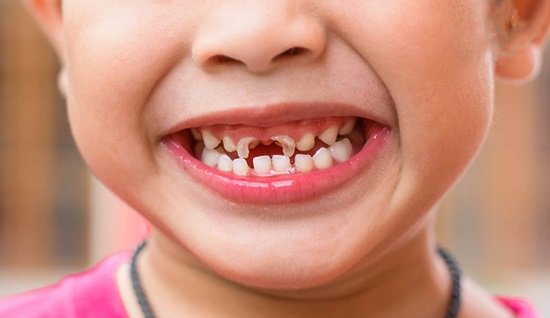
Common dental issues in children range from cavities and gum problems to teeth grinding and dental injuries. The CDC reports that cavities are the most common chronic disease of childhood in the United States, affecting more than half of all children by age eight. Many of these problems are preventable with early dental visits, consistent home care, and professional treatments like sealants and fluoride. At our Southwest Houston dental office, we see children of all ages and help families in Gulfton, Bellaire, and Sharpstown stay ahead of the dental issues that affect young smiles the most.
Our pediatric dentistry team is experienced with the full range of childhood dental conditions and provides gentle, thorough care for every patient.
What Is the Most Common Dental Condition in Children?
The most common dental condition in children is tooth decay, also called dental caries or cavities. According to the AAPD, childhood tooth decay is five times more common than childhood asthma and 20 times more common than childhood diabetes. The CDC reports that 23% of children aged two to five have experienced cavities, and by age eight, 52% have had at least one cavity in a baby tooth. About 20% of children aged five to eleven have at least one untreated decayed tooth.
Tooth decay happens when bacteria in the mouth feed on sugars from food and drinks, producing acid that breaks down tooth enamel. In children, the enamel on baby teeth is thinner than on adult teeth, which means cavities can form and progress faster. This is why regular dental checkups and preventive care are so important for young patients.
Early Childhood Caries and Baby Bottle Tooth Decay
Early childhood caries (ECC) is a specific form of tooth decay that affects infants and toddlers, often starting as soon as the first teeth appear. One of the most well-known causes is baby bottle tooth decay, which happens when a child falls asleep with a bottle of milk, formula, or juice. The sugary liquid pools around the teeth for hours, creating the perfect environment for bacteria to thrive and enamel to erode.
ECC can progress quickly in young children. What starts as a small white spot on the enamel can turn into a brown or black cavity within weeks. Left untreated, the decay can spread to neighboring teeth and cause pain, infection, and even early tooth loss. Baby teeth that are lost too early can cause the remaining teeth to shift, leading to crowding and alignment problems when permanent teeth come in.
Parents can prevent ECC by avoiding putting a child to bed with a bottle, cleaning gums with a damp cloth before teeth appear, and brushing with a rice-grain-sized amount of fluoride toothpaste as soon as the first tooth erupts. Our children’s dental cleanings include coaching on these habits at every visit.
Gum Problems in Children
Gingivitis, or inflammation of the gums, is common in children, especially those who do not brush thoroughly along the gumline. Signs include red, puffy, or bleeding gums during brushing or flossing. While gingivitis in children rarely advances to the more serious stages of periodontal disease that we see in adults, it still requires attention.
Gingivitis in children is almost always caused by plaque buildup. When plaque is not removed through brushing and flossing, it hardens into tartar and irritates the gum tissue. Professional cleanings at our Houston office remove tartar that home brushing cannot, and we show children the correct brushing technique to keep their gums healthy between visits. Hormonal changes during puberty can also make gums more sensitive to plaque, so teens in the Meyerland and Brays Oaks areas should pay extra attention to their gum health during this time.
Teeth Grinding (Bruxism) in Children
Teeth grinding, known as bruxism, is surprisingly common in kids. According to the American Academy of Family Physicians, about 20% to 30% of children grind their teeth, usually during sleep. Parents often notice the grinding sound at night. Common triggers include stress, anxiety, misaligned teeth, and pain from ear infections or teething.
Most children outgrow bruxism by the time they lose their baby teeth. In the meantime, the grinding can wear down tooth enamel, cause jaw soreness, and lead to headaches. If your child grinds frequently or shows signs of worn-down teeth, we can evaluate the situation and discuss whether a night guard or other approach would help. At our Bellaire Blvd. office, we monitor for signs of bruxism at every checkup.
Dental Injuries in Active Kids
Dental injuries are a significant concern for children, especially those involved in sports and active play. Research published in Translational Pediatrics reports that traumatic dental injuries have a global prevalence of 20% to 30% among children. A review in BMC Oral Health found that about 15% of preschoolers and 20% to 25% of school-age children experience some form of dental trauma. Falls are the leading cause, followed by contact during sports and playground accidents.
The most commonly injured teeth are the upper front teeth. Injuries range from minor chips and cracks to more serious fractures, loosened teeth, and complete knockouts. For any dental injury, time matters. If a permanent tooth is knocked out, keep it moist and bring the child and the tooth to our office immediately.
Our emergency dental care team handles same-day urgent visits for dental injuries in children across Southwest Houston.
Using a mouthguard during sports is one of the simplest ways to prevent dental trauma. We can create a custom-fit mouthguard for your child at our office.
How to Spot Dental Problems Early
Parents are often the first to notice signs of a dental problem. Paying attention to a few common signals can help you catch issues before they become painful or expensive to treat. Look for white, brown, or dark spots on the teeth, which can indicate early decay. Persistent bad breath that does not improve with brushing may point to a cavity or gum infection. Complaints about tooth pain, sensitivity to hot or cold foods, or difficulty chewing should prompt a dental visit.
Children who resist brushing in certain areas of the mouth may be experiencing tenderness from a developing cavity. Swelling in the gums or face, especially with a fever, signals a possible infection that needs immediate attention. Scheduling dental visits every six months allows us to detect problems at their earliest and most treatable stage.
Our general dentistry team serves patients of all ages and can evaluate the whole family during the same visit.
Common Dental Issues in Children by Age Group
| Age Group | Common Issues | Warning Signs |
|---|---|---|
| Infants (0 to 12 months) | Teething discomfort, early signs of baby bottle decay | White spots on front teeth, fussiness during feeding |
| Toddlers (1 to 3 years) | Early childhood caries, falls and tooth injuries | Brown spots on teeth, chipped or loose teeth after falls |
| Preschoolers (3 to 5 years) | Cavities, prolonged thumb-sucking effects, dental trauma | Tooth pain, open bite, teeth not meeting correctly |
| School-age (6 to 12 years) | Cavities in permanent molars, gingivitis, bruxism | Sensitivity to hot/cold, bleeding gums, grinding sounds at night |
| Teens (13 to 17 years) | Wisdom tooth issues, sports injuries, pubertal gingivitis | Jaw pain, swollen gums, difficulty opening mouth fully |
Sources: CDC Division of Oral Health; American Academy of Pediatric Dentistry; American Academy of Family Physicians
Frequently Asked Questions
How Often Should Children Go to the Dentist?
Children should go to the dentist every six months, starting with their first visit by age one. This schedule allows the dental team to catch problems early, apply preventive treatments, and reinforce proper brushing and flossing habits. Some children with a higher risk of cavities or other dental conditions may benefit from more frequent visits every three to four months. Consistent visits are one of the most effective ways to keep a child’s mouth healthy throughout the Gulfton and Sharpstown communities.
What Causes Tooth Decay in Young Children?
Tooth decay in young children is caused by bacteria that feed on sugars from food and drinks, producing acid that breaks down tooth enamel. Frequent snacking, sipping on juice or milk throughout the day, and falling asleep with a bottle all increase the risk. Baby teeth have thinner enamel than permanent teeth, so cavities can form and spread faster. Brushing twice daily with fluoride toothpaste and limiting sugar exposure are the best defenses against early decay.
How Do I Know If My Child Has a Cavity?
You may notice white, brown, or dark spots on your child’s teeth, which can be signs of early or active decay. Other signals include tooth sensitivity, pain while eating, reluctance to brush a certain area, and visible holes or pits in the tooth surface. Some cavities develop between teeth where they are not visible, which is why regular dental exams and X-rays when appropriate are important for catching hidden decay. If you suspect a cavity, schedule a visit at our Houston office for an evaluation.
We accept most dental insurance plans, including Medicaid and CHIP, to help make children’s dental care affordable.
Are Dental X-Rays Safe for Children?
Dental X-rays are safe for children. Modern digital X-rays use very low levels of radiation, significantly less than older film-based systems. The ADA recommends X-rays only when they are needed to detect problems that cannot be seen during a visual exam, such as decay between teeth, issues below the gumline, or problems with developing permanent teeth. We follow the “as low as reasonably achievable” (ALARA) principle and use protective lead aprons during every X-ray.
What Should I Do If My Child Knocks Out a Tooth?
If your child knocks out a permanent tooth, pick it up by the crown (the visible part), not the root. Rinse it gently with water if it is dirty, but do not scrub it. Try to place the tooth back in the socket if possible, or keep it moist in milk or saliva. Get to our office as quickly as you can. Time is critical for replantation, and the best outcomes happen when the tooth is reimplanted within 30 minutes. For a knocked-out baby tooth, do not try to replant it, as this can damage the permanent tooth forming underneath. Call us for guidance.
If a tooth extraction is ever needed due to severe damage, Dr. Yu performs the procedure with gentle, child-safe techniques.
Can Children Develop Gum Disease?
Children can develop gum disease, though it is usually limited to gingivitis, the earliest and most reversible stage. Gingivitis causes red, swollen, and sometimes bleeding gums. It is typically the result of plaque buildup from inconsistent brushing. With improved oral hygiene and professional cleanings, gingivitis in children usually resolves quickly. Advanced periodontal disease is rare in children but can occur in those with certain medical conditions or genetic factors. Regular checkups at a trusted pediatric dental office in Houston help us monitor gum health and intervene early if needed.
For families without dental coverage, we offer affordable options for dental care in Houston.
A strong smile starts with strong preventive habits. Dental bonding can also repair minor chips or imperfections in a child’s teeth quickly and comfortably.
If your child needs a restoration on a weakened tooth, our dental crown services provide a durable, natural-looking solution.
The Bottom Line
Most dental problems in children are preventable. Cavities, gum inflammation, teeth grinding, and dental injuries can all be managed effectively with regular checkups, good home care, and prompt treatment when something goes wrong. The earlier a child begins receiving dental care, the fewer problems they are likely to face as they grow.
Our children’s dental care in Southwest Houston is designed to keep young patients healthy, comfortable, and confident about their smiles.
Bright Value Dental has served families in Bellaire, Gulfton, Sharpstown, Meyerland, Alief, and throughout Southwest Houston for over 25 years. Call 713-668-1600 to schedule your child’s next visit.