
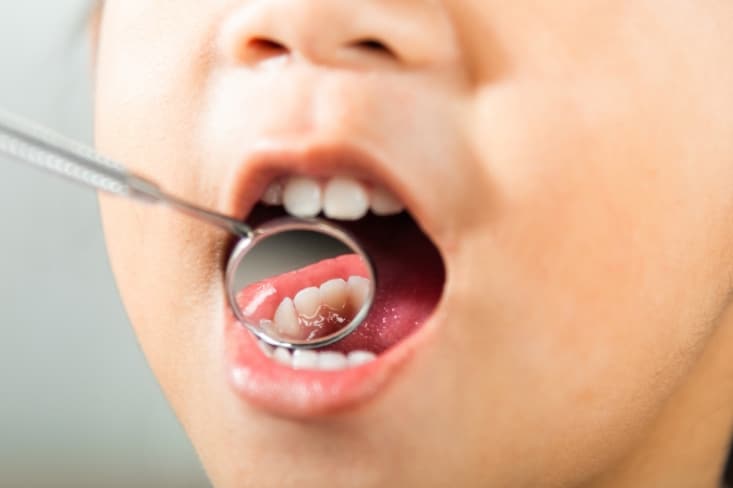
Preventing cavities in children requires a combination of daily brushing with fluoride toothpaste, smart diet choices, professional fluoride treatments, dental sealants on permanent molars, and regular dental checkups starting by a child’s first birthday. Cavities, also called dental caries, are the most common chronic disease of childhood in the United States, according to the Centers for Disease Control and Prevention (CDC). More than half of children aged 6 to 8 have had at least one cavity in a baby tooth. The encouraging part is that nearly every cavity is preventable. This article covers the specific strategies that stop cavities before they start, from what children should eat and how they should brush to the professional treatments that give teeth the strongest protection.
How Do You Prevent Cavities in Children?
You prevent cavities in children by building five layers of protection: proper brushing with fluoride toothpaste, a low-sugar diet with limited snacking, professional fluoride treatments, dental sealants on back teeth, and dental checkups every six months. Each layer reinforces the others. Brushing removes the bacteria that cause decay. A healthy diet starves those bacteria of the sugar they need to produce acid. Fluoride hardens the enamel so it resists acid attacks. Sealants physically block bacteria from reaching the deep grooves on molars. Regular checkups catch early signs of decay before a cavity forms.
No single strategy is enough on its own. A child who brushes perfectly but snacks on candy all day still faces high cavity risk. A child who eats well but skips brushing gives plaque a chance to build up overnight. The CDC reports that by age 9, half of all children in the United States have had at least one cavity. That statistic shows how common decay is, but it also means that the other half of children reached age 9 cavity-free. The difference almost always comes down to consistent prevention across all five layers. We see this pattern clearly in our pediatric dentistry patients, where children with complete prevention routines have dramatically fewer cavities than those relying on brushing alone.
What Is the #1 Cause of Cavities in Children?
The number one cause of cavities in children is bacteria in dental plaque that feed on sugar and produce acid that dissolves tooth enamel. The specific bacterium most responsible for cavities is Streptococcus mutans. This bacterium lives in the sticky film of plaque that coats teeth throughout the day. Every time a child eats or drinks something containing sugar or starch, S. mutans and other plaque bacteria consume that sugar and release lactic acid as a waste product.
Lactic acid lowers the pH inside the mouth and begins pulling calcium and phosphate minerals out of the tooth enamel. This mineral loss is called demineralization. Saliva works as the body’s natural defense by washing away food particles, neutralizing acid, and delivering calcium and phosphate back to the enamel surface. This repair process is called remineralization. According to the National Institute of Dental and Craniofacial Research (NIDCR), tooth decay happens when demineralization outpaces remineralization over time.
The cycle repeats after every meal and snack. Each acid attack lasts roughly 20 to 30 minutes. Saliva needs that recovery window to bring the mouth back to a neutral pH and begin repairing the enamel. When a child eats frequently throughout the day, the recovery window shrinks. Acid attacks overlap, and the enamel never fully recovers between exposures. This is why snacking frequency matters more for cavity prevention than the total amount of sugar consumed in a day.
What Is the #1 Cavity Causing Food?
The number one cavity causing food is sticky, sugary snacks that cling to the tooth surface for extended periods, especially gummy candies, fruit snacks, dried fruit, and taffy. These foods combine two cavity-promoting properties: high sugar content and a texture that adheres to tooth grooves and surfaces. Bacteria feed on the sugar trapped in those grooves for hours after eating, producing acid the entire time.
Starchy snacks like crackers, chips, and pretzels deserve equal attention. Starch breaks down into sugar in the mouth, and the gummy paste that starchy foods create sticks to teeth just as stubbornly as candy. Sugary drinks, including fruit juice, soda, sports drinks, and flavored milk, are also major contributors. A child who sips juice throughout the morning creates a continuous acid bath on their teeth. According to the NIDCR, limiting between-meal snacks reduces the number of acid attacks on teeth and gives enamel time to repair itself between exposures.
What Snacks Are Good for Children’s Teeth?
Snacks that are good for children’s teeth are foods that stimulate saliva production, do not stick to enamel surfaces, and contain calcium or phosphate that support remineralization. The best tooth-friendly snacks dissolve quickly in the mouth and do not leave a sticky residue behind.
- Cheese and yogurt: Both are rich in calcium and casein, a milk protein that strengthens enamel. Cheese also raises the pH in the mouth, which helps neutralize acid after meals.
- Crunchy vegetables: Carrots, celery, cucumber slices, and bell pepper strips require chewing that stimulates saliva flow. Saliva washes away food particles and delivers minerals back to the teeth.
- Nuts and seeds: Almonds, sunflower seeds, and walnuts provide calcium and healthy fats without clinging to tooth surfaces.
- Fresh fruit (non-sticky): Apple slices, pear slices, and melon are better choices than dried fruit or fruit leather because they contain water that helps rinse the teeth during chewing.
- Water: The single best beverage for teeth. Water rinses away food particles, keeps the mouth hydrated, and, if fluoridated, delivers a low continuous dose of fluoride to the enamel surface.
Replacing one daily sugary snack with a tooth-friendly alternative reduces the total number of acid attacks on a child’s teeth. Over weeks and months, fewer acid attacks translate directly into stronger enamel and fewer cavities. We encourage parents to keep cut vegetables and cheese cubes ready in the refrigerator so healthy options are just as convenient as reaching for a bag of crackers.
Why Does My Child Keep Getting Cavities?
A child who keeps getting cavities is likely dealing with one or more overlooked risk factors beyond basic brushing, including frequent snacking, ineffective brushing technique, low fluoride exposure, enamel that is naturally thinner or weaker, or bacterial transfer from family members. Cavities result from a combination of factors, and identifying the specific weak link in a child’s prevention routine is the key to breaking the cycle.
Snacking frequency is the most commonly overlooked cause. A child who eats five or six times a day gives bacteria five or six separate windows to produce acid. Each eating event restarts the 20-to-30-minute acid attack cycle. Even healthy-sounding snacks like raisins, granola bars, and fruit juice contain sugar that feeds bacteria. The NIDCR recommends consolidating eating into defined meals and limiting snacks to reduce the total number of acid exposures per day.
Brushing technique matters as much as brushing frequency. Children under 7 or 8 typically lack the manual coordination to brush every surface of every tooth effectively. They tend to miss the back molars, the gumline, and the spaces between teeth. These are exactly the areas where plaque accumulates most heavily and where cavities are most likely to form. The American Academy of Pediatric Dentistry recommends that parents brush their child’s teeth or actively supervise brushing until the child demonstrates effective independent technique. Some children also have enamel that formed with less mineral density due to genetics, illness during tooth development, or nutritional factors. Thinner enamel breaks down faster under acid attack, which is why some children get cavities despite good habits while others with less disciplined routines stay cavity-free. A dentist can assess enamel quality and recommend additional protection, such as more frequent fluoride applications or sealants, for children with dental problems related to enamel weakness.
Is It Normal for a 7 Year Old To Have Cavities?
Yes, it is common for a 7 year old to have cavities, but cavities are preventable and should not be accepted as inevitable. Data from the NIDCR shows that 42% of children aged 2 to 11 develop at least one cavity in their primary teeth. Among children specifically aged 6 to 8, more than 52% have experienced a cavity in a baby tooth, according to the CDC’s 2019 Oral Health Surveillance Report.
The age of 6 to 7 represents a peak risk period. First permanent molars, called “six-year molars,” erupt around this age. These molars have deep grooves and pits on their chewing surfaces that are difficult for a child to clean. A children’s dentist can apply sealants to these molars as soon as they come in, which dramatically reduces decay risk during this vulnerable window. Children from lower-income households face higher rates of untreated decay. The CDC’s 2024 Oral Health Surveillance Report found that 24.6% of children aged 6 to 8 in high-poverty households had untreated decay, compared to 10.9% in higher-income households.
Can Early Tooth Decay Be Reversed in Children?
Yes, early tooth decay can be reversed in children when it is caught at the demineralization stage, before a cavity has formed. At this earliest stage, the enamel has lost minerals but has not developed a physical hole. The tooth may show white or chalky spots near the gumline, which signal weakened enamel. Fluoride treatments, improved brushing, and reduced sugar intake can restore those lost minerals and harden the enamel back to its original strength, or even stronger.
A Cochrane Review of 22 clinical trials involving more than 12,400 children found that fluoride varnish application reduced decay on primary teeth by 37% and on permanent teeth by 43%. Fluoride works by bonding to the enamel surface and attracting calcium and phosphate ions from saliva. The resulting fluorapatite layer is more resistant to acid than the original hydroxyapatite mineral that enamel is made of. Professional fluoride treatments applied in the dental office deliver a concentrated dose that accelerates this remineralization process far beyond what toothpaste alone can achieve.
Can You Stop a Cavity Once It Starts?
You can stop a cavity from getting worse, but you cannot reverse it once a hole has formed in the enamel. At the white-spot stage, before the enamel surface has broken, fluoride and improved hygiene can remineralize and strengthen the weakened area. Once the enamel breaks and a physical cavity forms, the only way to stop it is professional treatment. A dentist removes the decayed tissue and fills the hole with a restoration material, such as composite resin or a dental crown for more extensive damage.
Delaying treatment allows the cavity to grow deeper. Decay that starts in the enamel moves into the dentin, then into the pulp where the nerves and blood vessels are. At that point, a simple filling is no longer sufficient, and the child may need pulp treatment or extraction. Acting quickly on a small cavity keeps the treatment simple, fast, and far less stressful for both the child and the parent.
How Does Fluoride Protect Children’s Teeth?
Fluoride protects children’s teeth by strengthening tooth enamel, accelerating the remineralization process, and making the enamel surface more resistant to acid attacks from bacteria. Fluoride works through three mechanisms. First, it integrates into the enamel crystal structure, replacing weaker hydroxyl ions with fluoride ions to create fluorapatite, a harder mineral that dissolves at a lower pH than untreated enamel. Second, fluoride attracts calcium and phosphate from saliva to the tooth surface, speeding up the natural repair process. Third, fluoride interferes with the metabolism of cavity-causing bacteria, reducing their ability to produce acid.
Children receive fluoride through multiple channels. Fluoride toothpaste delivers a topical dose directly to the teeth during brushing. Fluoridated tap water provides a low, continuous exposure throughout the day. The CDC reports that drinking fluoridated water reduces cavities by approximately 25% in children and adults. In 2022, 72.3% of the U.S. population was served by optimally fluoridated water systems. Professional fluoride varnish, applied by a dentist two to four times per year, delivers the highest concentration for children at elevated cavity risk. The CDC notes that fluoride varnish prevents about 33% of cavities in baby teeth.
Communities with fluoridated water save an average of $32 per person per year in avoided dental treatment costs, according to the CDC. The return on investment is $20 for every $1 spent on water fluoridation. We recommend that parents use fluoridated tap water for drinking and cooking whenever available as part of a complete cavity prevention strategy.
How Much Fluoride Toothpaste Should a Child Use?
Children under 3 years old should use a smear of fluoride toothpaste about the size of a grain of rice, and children aged 3 to 6 should use a pea-sized amount. These amounts are recommended by the American Dental Association (ADA), the American Academy of Pediatric Dentistry (AAPD), and the CDC. The small quantities provide enough fluoride to protect enamel while reducing the risk of dental fluorosis, a cosmetic condition that can occur if young children swallow too much fluoride during tooth formation.
A CDC survey found that approximately 40% of children aged 3 to 6 used more toothpaste than recommended, with many using a half-load or full brush head of paste. Parents should squeeze the toothpaste onto the brush themselves and teach children to spit rather than swallow. Supervising brushing until a child can reliably spit and rinse, usually around age 6, helps control fluoride intake while still delivering the full protective benefit to the teeth.
Do Dental Sealants Prevent Cavities in Children?
Yes, dental sealants prevent cavities in children by sealing the deep grooves and pits on the chewing surfaces of back teeth where 9 out of 10 childhood cavities occur. Sealants are thin, plastic coatings that a dentist paints onto the molars. The liquid flows into the narrow fissures on the tooth surface and hardens under a curing light, creating a smooth barrier that food particles and bacteria cannot penetrate.
The CDC reports that dental sealants prevent up to 80% of cavities in molars for two years after application and continue to protect against 50% of cavities for up to four years. The ADA found that children who received both dental sealants and fluoride treatments were 73% less likely to develop cavities compared to children who received fluoride alone. Despite this strong evidence, only about 43% of children aged 6 to 11 in the United States have at least one dental sealant. Children without sealants have almost three times more cavities than children with sealants, according to the CDC.
Sealant application is quick, painless, and requires no drilling or anesthesia. The dentist cleans the tooth, applies an etching gel to roughen the surface slightly for adhesion, rinses and dries the tooth, paints on the sealant, and hardens it with a light. The process takes a few minutes per tooth. We recommend sealants for every child’s permanent molars as soon as they erupt: first molars around age 6 and second molars around age 12. Scheduling children’s dental visits at these ages allows us to apply sealants at the ideal time for maximum protection.
| Prevention Method | Cavity Reduction | Recommended Age | How It Works |
|---|---|---|---|
| Fluoride toothpaste (twice daily) | Significant reduction (CDC-recommended baseline) | From first tooth onward | Topical fluoride strengthens enamel and reduces bacterial acid production |
| Fluoride varnish (professional) | 33-43% reduction in cavities | From first tooth; 2-4 times per year | Concentrated fluoride accelerates enamel remineralization |
| Dental sealants | 80% reduction in molar cavities (2 years) | Age 6 (first molars), age 12 (second molars) | Physical barrier seals grooves where bacteria and food collect |
| Fluoridated water | ~25% reduction in cavities | All ages | Low continuous fluoride exposure strengthens enamel throughout the day |
Sources: CDC Oral Health Facts (2024), Cochrane Database of Systematic Reviews (2013, 2017), ADA Dental Sealants Evidence Review, CDC Community Water Fluoridation Facts
How Should Children Brush and Floss for Cavity Prevention?
Children should brush their teeth twice a day for two minutes each time using fluoride toothpaste, and floss once daily as soon as two teeth touch each other. The ADA and CDC both recommend this routine as the foundation of home oral care. Brushing removes the plaque film that produces cavity-causing acid. Flossing cleans the tight spaces between teeth where toothbrush bristles cannot reach.
The following age-by-age guide gives parents a practical timeline for building strong brushing and flossing habits:
- Birth to first tooth: Wipe the baby’s gums with a clean, damp cloth after each feeding to remove bacteria and milk residue.
- First tooth to age 3: Brush twice daily with a soft-bristled infant toothbrush and a rice-grain smear of fluoride toothpaste. Parents do the brushing entirely at this stage.
- Ages 3 to 6: Use a pea-sized amount of fluoride toothpaste. Let the child hold the brush and practice, but the parent finishes each session to make sure all surfaces are reached. Begin flossing when any two teeth touch.
- Ages 6 to 8: The child takes more ownership of brushing, but the parent still supervises and checks the results. Focus attention on the newly erupted six-year molars, which have deep grooves that collect food.
- Ages 8 and up: Most children can brush independently with good technique by this age. Continue flossing daily. Schedule professional dental cleanings every six months to remove any plaque that home care missed.
Brushing technique matters as much as frequency. Teach children to hold the brush at a 45-degree angle to the gumline and use small circular motions rather than hard back-and-forth scrubbing. Circular motions clean the gum margin where plaque concentrates most heavily. Every session should cover all surfaces: the outer face, the inner face, and the chewing surface of each tooth. Brushing the tongue removes bacteria that contribute to plaque formation and bad breath.
How Do You Prevent Cavities in Toddlers?
You prevent cavities in toddlers by cleaning their teeth from the very first eruption, avoiding bottles at bedtime, limiting juice and sugary liquids, and scheduling a dental visit by age one. Toddlers face a specific form of decay called early childhood caries (ECC), which develops when sugary liquids pool around the upper front teeth during sleep.
Never put a toddler to bed with a bottle of milk, formula, or juice. As the child sleeps, saliva flow drops and the natural acid-neutralizing defense weakens. Sugar from the liquid feeds bacteria for hours with no saliva to wash it away. The World Health Organization (WHO) reports that more than 530 million children worldwide have untreated caries in primary teeth, and ECC is a leading contributor. Transition the child from a bottle to a cup by 12 months. If the child needs a bottle for comfort at bedtime, fill it with water only.
The AAPD recommends that every child have a dental home by age one. Early visits allow the dentist to check for signs of decay, apply fluoride varnish, and coach parents on age-appropriate kids’ dental care techniques. Dr. Yu is enrolled as a Texas Medicaid Texas Health Steps provider specifically to serve children from 6 months to 35 months of age, making these early visits accessible and affordable.
Can Cavities Spread From Parent to Child?
Yes, the bacteria that cause cavities can spread from parent to child through saliva. Streptococcus mutans, the primary cavity-causing bacterium, transfers through shared utensils, tasting a child’s food before feeding, blowing on food to cool it, and placing a pacifier in the parent’s mouth to “clean” it. Babies are born without cavity-causing bacteria. Transmission from caregivers introduces S. mutans into the child’s mouth, where it colonizes the teeth as they erupt.
Parents with active untreated cavities carry higher bacterial loads and transmit more S. mutans to their children. The most effective way to reduce this risk is for parents to maintain their own oral hygiene, treat their own cavities promptly, and avoid sharing utensils or cleaning pacifiers with their mouths. These simple habits protect the child during the most vulnerable period of bacterial colonization, typically between 6 months and 3 years of age.
What Happens If You Let a Cavity Go for Too Long?
Letting a cavity go for too long leads to pain, infection, abscess formation, difficulty eating, missed school days, and potential damage to permanent teeth developing underneath. A cavity that begins as a small hole in the enamel grows deeper over weeks and months. Once decay reaches the dentin, the softer layer beneath the enamel, the child may feel sharp pain when eating sweet, hot, or cold foods. Once decay reaches the pulp, where nerves and blood vessels reside, the pain becomes constant and severe.
An infected tooth can form an abscess, a pocket of pus at the root tip that causes swelling in the gum, cheek, or jaw. In rare cases, the infection can spread beyond the tooth into the surrounding bone or bloodstream. The CDC reports that 34 million school hours are lost each year in the United States due to unplanned dental care, and the total annual cost of dental-related issues exceeds $45 billion. Research published in the American Journal of Public Health found that children with poor oral health miss an average of 2.1 school days per year because of dental pain or emergency dental care visits.
In baby teeth, severe decay can damage the permanent tooth bud developing in the jawbone below. Premature loss of a baby tooth from advanced decay also creates spacing problems that lead to crowding and misalignment when the permanent tooth tries to come in. Early treatment for a small cavity is simpler, faster, and far less costly than treating the complications that arise from delay.
What Organs Are Affected by Tooth Decay?
Tooth decay primarily affects the teeth and surrounding gum tissue, but untreated oral infections can impact the heart, brain, and overall systemic health. Bacteria from a dental abscess can enter the bloodstream and travel to other parts of the body. Research has identified links between chronic oral infections and an increased risk of endocarditis, an infection of the inner lining of the heart chambers and valves. In extremely rare but documented cases, untreated dental abscesses have led to brain abscess or Ludwig’s angina, a serious infection of the floor of the mouth that can compromise the airway.
Beyond acute infection, chronic oral inflammation contributes to systemic inflammatory load. Children with untreated decay often have difficulty eating nutritious food, which affects growth and development during critical years. Pain from decayed teeth disrupts sleep, concentration, and school performance. The connection between oral health and overall health reinforces why preventing cavities in children is not just a dental issue but a whole-body health priority.
Frequently Asked Questions
When Should a Child First See a Dentist?
A child should first see a dentist by their first birthday or within six months of the first tooth appearing. The AAPD recommends this early timeline so the dentist can check for signs of early childhood caries, apply fluoride varnish, and give parents age-specific guidance on brushing, diet, and fluoride use. Early visits also help children become comfortable with the dental environment before any treatment is needed.
How Quickly Can a Cavity Worsen?
A cavity can worsen significantly within a few months if left untreated. The speed depends on the child’s diet, oral hygiene, fluoride exposure, and the location of the cavity. Cavities on smooth tooth surfaces tend to progress more slowly than cavities in the deep grooves of molars. In children, thinner enamel on baby teeth means decay can reach the dentin and pulp faster than it would in an adult tooth. Regular dental checkups every six months catch cavities when they are still small and easier to treat.
Are Brown Spots on Teeth Always Cavities?
Brown spots on teeth are not always cavities, but they should always be evaluated by a dentist. Brown spots can result from surface staining caused by food, beverages, or certain medications. They can also indicate active decay, demineralized enamel, or a developmental defect in the tooth called enamel hypoplasia. A dental exam, sometimes including X-rays, is the only reliable way to determine whether a brown spot is a cavity or a harmless stain.
What Color Are Unhealthy Teeth?
Unhealthy teeth may appear white and chalky, yellow, light brown, dark brown, gray, or black depending on the type and severity of the problem. White chalky patches near the gumline are the earliest sign of enamel demineralization. Yellow or brown discoloration indicates progressing decay. Dark brown to black areas typically represent advanced cavities or dead tooth tissue. Gray discoloration can signal trauma to the tooth’s nerve. Any color change that differs from the child’s normal tooth shade warrants a dental evaluation.
How Does Diet Affect Children’s Teeth?
Diet affects children’s teeth by determining how much fuel cavity-causing bacteria receive and how often acid attacks occur on the enamel. Foods high in sugar and starch feed bacteria that produce enamel-dissolving acid. Foods rich in calcium and phosphate, like cheese and yogurt, support enamel repair. Crunchy vegetables stimulate saliva, which neutralizes acid and washes away food particles. Water, especially fluoridated water, is the best beverage for teeth because it rinses the mouth without adding sugar or acid.
Should Children Drink Juice?
Children can drink small amounts of 100% fruit juice with meals, but juice should not be a daily beverage that is sipped throughout the day. The American Academy of Pediatrics recommends no juice for children under 12 months, no more than 4 ounces per day for children aged 1 to 3, and no more than 6 ounces per day for children aged 4 to 6. Juice contains natural sugars and acid that feed cavity-causing bacteria. Serving juice only at mealtimes and offering water between meals protects the teeth from prolonged acid exposure.
How Often Should Children Visit the Dentist?
Children should visit the dentist every six months for a routine checkup and professional cleaning, starting by their first birthday. Twice-yearly visits allow the dentist to detect early decay, monitor tooth development, apply fluoride varnish, and determine whether sealants are needed. Children at higher cavity risk may benefit from more frequent visits. Consistent dental care catches problems early, when treatment is simplest and least costly.
The Takeaway
Preventing cavities in children is not about perfection in any single area. It is about layering multiple strategies so that each one covers the gaps the others leave behind. Brushing with fluoride toothpaste removes plaque. Limiting snacking frequency starves bacteria between meals. Fluoride varnish and fluoridated water harden enamel against acid. Sealants physically block bacteria from the most vulnerable tooth surfaces. Regular dental visits catch any early signs of breakdown before they become cavities.
Every one of these strategies is simple, affordable, and proven by decades of research. The children who reach adulthood with healthy, cavity-free teeth are almost always the children whose parents built these habits early and maintained them consistently. If your child is due for a checkup, or if you have questions about fluoride, sealants, or your child’s brushing routine, Bright Value Dental is here to help. Dr. Yu and our team love working with children and helping families build habits that protect teeth for life.
Call us at 713-668-1600 to schedule your child’s next visit.