
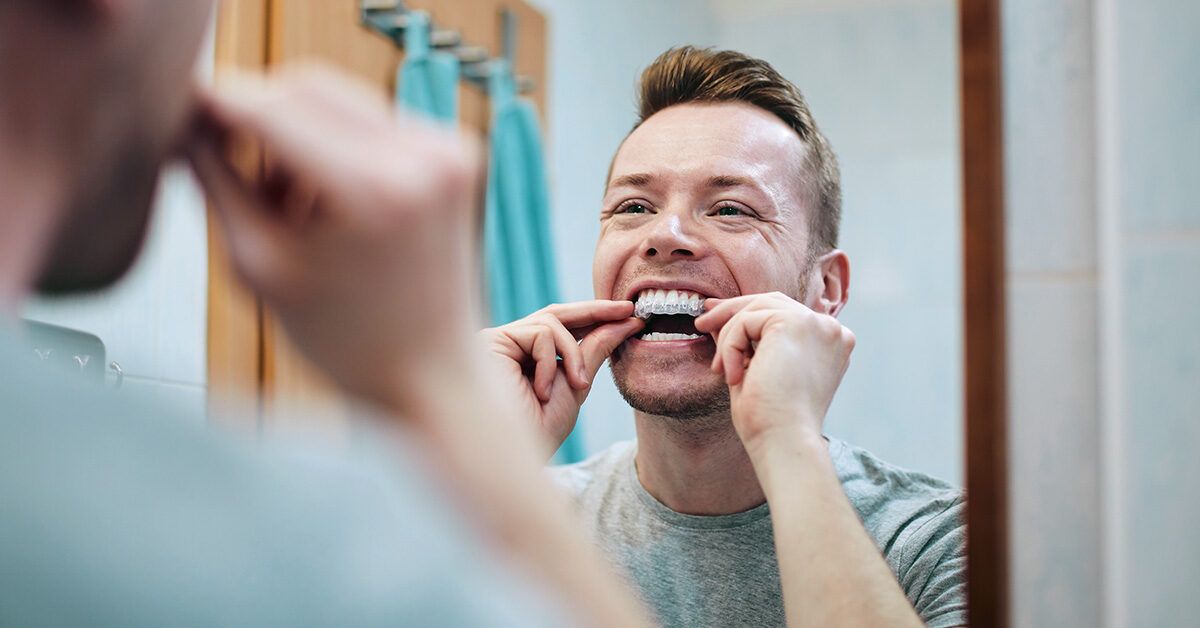
Teeth whitening works by using a peroxide gel to break apart the stain molecules trapped inside your tooth’s porous enamel, which makes the color less concentrated and your smile look brighter. The two active ingredients that do this job are hydrogen peroxide and carbamide peroxide, and both release oxygen that reacts with the dark compounds staining your teeth. That single chemical reaction is the heart of every whitening method, whether you use a custom tray at home or a stronger gel at a dental office.
Below we walk through exactly how whitening breaks down stains, what makes teeth change color in the first place, which teeth respond well and which do not, how long results last, and how often whitening is safe. We back each point with real data so you know what to expect before you brighten your smile.
How Does Teeth Whitening Work?
Teeth whitening works when peroxide seeps into the enamel and breaks stain compounds into smaller pieces, which scatters the color and makes teeth look whiter. Enamel is the hard outer shell of your tooth, and even though enamel feels solid, on a microscopic level it is porous. Those tiny pores let staining compounds from food, drinks, and smoke settle deep inside the tooth over time.
Staining compounds sit inside the enamel until a whitening agent reaches them. Whitening agents contain one of two bleaches, hydrogen peroxide or carbamide peroxide, and both release active oxygen molecules once applied. Active oxygen molecules travel through the porous enamel and react with the dark pigment molecules, splitting large stain compounds into smaller, lighter fragments. Smaller fragments reflect more light, so the tooth appears brighter even though no enamel has been removed.
Carbamide peroxide behaves a little differently than hydrogen peroxide. Carbamide peroxide breaks down into hydrogen peroxide and urea once it contacts moisture in the mouth, so the true bleaching agent in at-home kits is still hydrogen peroxide, just released more slowly. This slow release is why take-home gels use a lower strength and are worn for longer sessions. In-office gels typically contain 10 to 35 percent hydrogen peroxide, while at-home tray gels usually contain 10 to 20 percent carbamide peroxide, according to clinical whitening literature.
The popularity of this simple reaction is hard to overstate. Whiter teeth ranked as the single most requested smile improvement in a survey by the American Academy of Cosmetic Dentistry, and roughly 90 percent of orthodontic patients asked about whitening, according to the American Association of Orthodontists. About 67 percent of U.S. adults have tried some form of whitening, which makes it the most popular cosmetic dental treatment. If you are curious about the full menu of cosmetic options, that overview shows how whitening fits alongside other smile treatments.
What Causes Teeth to Change Color?
Teeth change color because pigments from food, drinks, tobacco, aging, and injury build up in and on the enamel over time. Pigments called chromogens carry intense color, and chromogens cling to the outer enamel every time you eat or drink something dark. Coffee, tea, and red wine are three of the biggest culprits because each one is loaded with these color compounds.
Tobacco adds its own kind of stain. Tar in tobacco is naturally dark, and nicotine turns yellow once it mixes with oxygen, so both leave stubborn marks on enamel. Age plays a role too, because the enamel layer thins with years of brushing and exposes more of the softer, yellower dentin underneath. Dentin is the layer beneath enamel, and dentin is naturally darker, so thinning enamel makes teeth look duller even when they are clean.
Common sources of tooth staining include:
- Dark drinks such as coffee, tea, cola, and red wine that carry color-heavy chromogens
- Tobacco products, where tar and oxidized nicotine leave yellow-brown surface stains
- Natural aging, which thins enamel and reveals the darker dentin layer below
- Tooth trauma, where an injured tooth lays down extra dentin and turns gray
- Certain medications, including some antihistamines, antipsychotics, and blood pressure drugs, plus tetracycline exposure during childhood tooth formation
What Is the Difference Between Intrinsic and Extrinsic Stains?
The difference between intrinsic and extrinsic stains is location: extrinsic stains sit on the outer surface of enamel, while intrinsic stains form deep inside the tooth structure. Extrinsic stains come from everyday contact with dark foods, drinks, and tobacco, and these surface stains respond very well to whitening because peroxide reaches them easily. Whitening excels at lifting extrinsic stains, which is why coffee and wine discoloration usually fades quickly.
Intrinsic stains are a tougher problem. Intrinsic stains develop below the enamel from aging, trauma, medications, or too much fluoride during tooth development, and these deeper stains resist bleaching because the color source lives inside the tooth. Peroxide can lighten some intrinsic discoloration over a longer treatment period, but gray tones from trauma or tetracycline often need a cosmetic fix like dental bonding or a crown instead of bleaching.
What Color Are Unhealthy Teeth?
Unhealthy teeth are often gray, brown, or dark yellow, and these shades can signal decay, a dying nerve, or heavy staining rather than simple surface discoloration. Gray teeth in particular can point to trauma or a non-vital tooth where the nerve has died, and a single dark tooth among lighter ones deserves a dental exam. A dark tooth from a dead nerve will not respond to normal tray whitening, so a dentist first checks tooth health before recommending any brightening plan.
Healthy natural teeth are rarely pure white. Most healthy teeth carry a slight ivory or ligh