
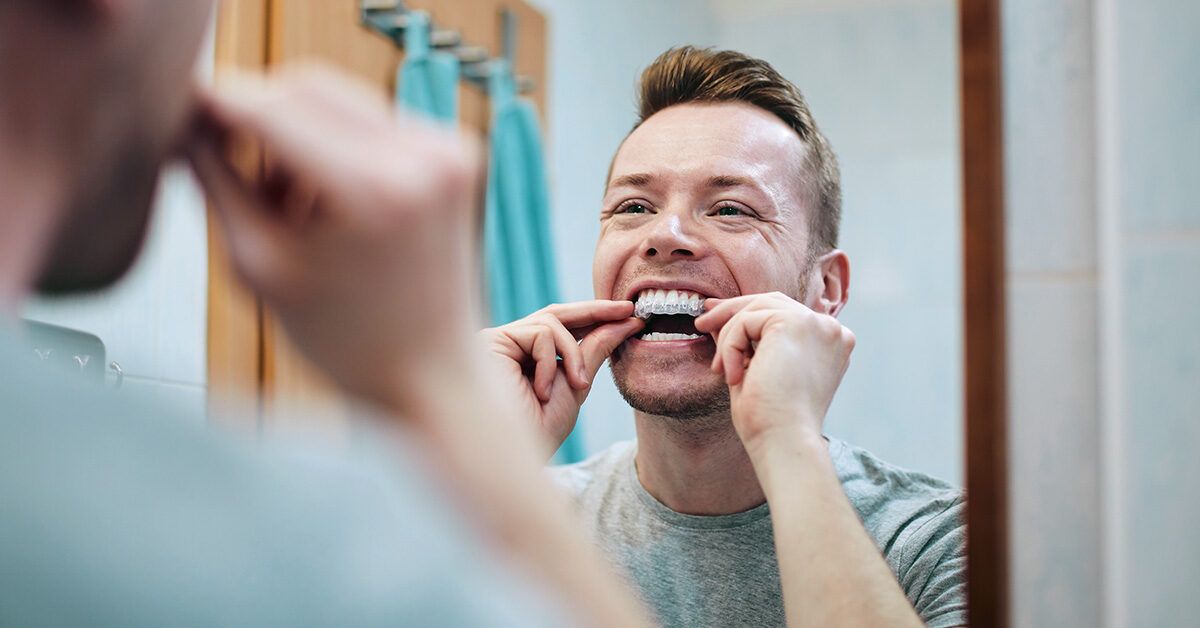
Teeth whitening works by using a peroxide gel to break apart the stain molecules trapped inside your tooth’s porous enamel, which makes the color less concentrated and your smile look brighter. The two active ingredients that do this job are hydrogen peroxide and carbamide peroxide, and both release oxygen that reacts with the dark compounds staining your teeth. That single chemical reaction is the heart of every whitening method, whether you use a custom tray at home or a stronger gel at a dental office.
Below we walk through exactly how whitening breaks down stains, what makes teeth change color in the first place, which teeth respond well and which do not, how long results last, and how often whitening is safe. We back each point with real data so you know what to expect before you brighten your smile.
How Does Teeth Whitening Work?
Teeth whitening works when peroxide seeps into the enamel and breaks stain compounds into smaller pieces, which scatters the color and makes teeth look whiter. Enamel is the hard outer shell of your tooth, and even though enamel feels solid, on a microscopic level it is porous. Those tiny pores let staining compounds from food, drinks, and smoke settle deep inside the tooth over time.
Staining compounds sit inside the enamel until a whitening agent reaches them. Whitening agents contain one of two bleaches, hydrogen peroxide or carbamide peroxide, and both release active oxygen molecules once applied. Active oxygen molecules travel through the porous enamel and react with the dark pigment molecules, splitting large stain compounds into smaller, lighter fragments. Smaller fragments reflect more light, so the tooth appears brighter even though no enamel has been removed.
Carbamide peroxide behaves a little differently than hydrogen peroxide. Carbamide peroxide breaks down into hydrogen peroxide and urea once it contacts moisture in the mouth, so the true bleaching agent in at-home kits is still hydrogen peroxide, just released more slowly. This slow release is why take-home gels use a lower strength and are worn for longer sessions. In-office gels typically contain 10 to 35 percent hydrogen peroxide, while at-home tray gels usually contain 10 to 20 percent carbamide peroxide, according to clinical whitening literature.
The popularity of this simple reaction is hard to overstate. Whiter teeth ranked as the single most requested smile improvement in a survey by the American Academy of Cosmetic Dentistry, and roughly 90 percent of orthodontic patients asked about whitening, according to the American Association of Orthodontists. About 67 percent of U.S. adults have tried some form of whitening, which makes it the most popular cosmetic dental treatment. If you are curious about the full menu of cosmetic options, that overview shows how whitening fits alongside other smile treatments.
What Causes Teeth to Change Color?
Teeth change color because pigments from food, drinks, tobacco, aging, and injury build up in and on the enamel over time. Pigments called chromogens carry intense color, and chromogens cling to the outer enamel every time you eat or drink something dark. Coffee, tea, and red wine are three of the biggest culprits because each one is loaded with these color compounds.
Tobacco adds its own kind of stain. Tar in tobacco is naturally dark, and nicotine turns yellow once it mixes with oxygen, so both leave stubborn marks on enamel. Age plays a role too, because the enamel layer thins with years of brushing and exposes more of the softer, yellower dentin underneath. Dentin is the layer beneath enamel, and dentin is naturally darker, so thinning enamel makes teeth look duller even when they are clean.
Common sources of tooth staining include:
- Dark drinks such as coffee, tea, cola, and red wine that carry color-heavy chromogens
- Tobacco products, where tar and oxidized nicotine leave yellow-brown surface stains
- Natural aging, which thins enamel and reveals the darker dentin layer below
- Tooth trauma, where an injured tooth lays down extra dentin and turns gray
- Certain medications, including some antihistamines, antipsychotics, and blood pressure drugs, plus tetracycline exposure during childhood tooth formation
What Is the Difference Between Intrinsic and Extrinsic Stains?
The difference between intrinsic and extrinsic stains is location: extrinsic stains sit on the outer surface of enamel, while intrinsic stains form deep inside the tooth structure. Extrinsic stains come from everyday contact with dark foods, drinks, and tobacco, and these surface stains respond very well to whitening because peroxide reaches them easily. Whitening excels at lifting extrinsic stains, which is why coffee and wine discoloration usually fades quickly.
Intrinsic stains are a tougher problem. Intrinsic stains develop below the enamel from aging, trauma, medications, or too much fluoride during tooth development, and these deeper stains resist bleaching because the color source lives inside the tooth. Peroxide can lighten some intrinsic discoloration over a longer treatment period, but gray tones from trauma or tetracycline often need a cosmetic fix like dental bonding or a crown instead of bleaching.
What Color Are Unhealthy Teeth?
Unhealthy teeth are often gray, brown, or dark yellow, and these shades can signal decay, a dying nerve, or heavy staining rather than simple surface discoloration. Gray teeth in particular can point to trauma or a non-vital tooth where the nerve has died, and a single dark tooth among lighter ones deserves a dental exam. A dark tooth from a dead nerve will not respond to normal tray whitening, so a dentist first checks tooth health before recommending any brightening plan.
Healthy natural teeth are rarely pure white. Most healthy teeth carry a slight ivory or light-yellow tint because the dentin underneath shows through the translucent enamel. Bright, natural-looking whitening aims to lift that tint a few shades rather than chase an unnatural bright-white color, which is why a professional shade check matters before you start. Keeping teeth healthy in the first place through good oral hygiene gives whitening the best foundation to work on.
Does Teeth Whitening Actually Work?
Yes, teeth whitening actually works, and decades of clinical research confirm that peroxide-based whitening reliably lightens natural tooth enamel. Scientific reviews show that both in-office and at-home peroxide systems produce measurable color change, and the shift is strong enough to see in everyday life. The whitening industry reflects that trust, with the global teeth whitening market valued near 8.5 billion dollars in 2024 and projected to grow at about a 5.3 percent annual rate toward 14.2 billion dollars by the mid-2030s, according to market research from Market.us.
Whitening works best on natural teeth with everyday staining. Whitening does not change the color of dental work, and it does not fix every kind of discoloration, so results depend heavily on what is causing your stains. The sections below explain which teeth brighten well and which ones need a different approach.
Can Yellow Teeth Really Be Whitened?
Yes, yellow teeth can really be whitened, and yellow is actually the shade that responds best to peroxide bleaching. Yellow tones usually come from surface stains and thinning enamel, and both of those causes sit within reach of the whitening gel. The American Dental Association notes that yellow teeth typically bleach well, brown teeth may respond less predictably, and gray teeth may not bleach at all.
Which Teeth Cannot Be Whitened?
Teeth that cannot be whitened include crowns, veneers, fillings, and other dental restorations, because peroxide only lightens natural tooth enamel. Restorations are made from ceramic, porcelain, or composite resin, and whitening gel has no effect on those materials, so a restored tooth stays the same shade while the natural teeth around it get lighter. This color mismatch is why dentists often suggest whitening before placing new tooth-colored work such as dental crowns or bonding, so the restoration can be matched to the newly brightened shade.
Gray discoloration is the other common exception. Gray tones from medication exposure, a dead nerve, or old trauma sit deep inside the tooth and usually will not lighten with normal bleaching. Patients with existing dental work sometimes ask whether their restorations can be brightened, and our post on whether you can whiten implants explains why artificial surfaces behave so differently from enamel.
Can You Make Your Teeth White After Being Yellow for Years?
Yes, you can make your teeth white after being yellow for years, since long-standing surface stains still respond to peroxide even when they have built up over a long time. Years of coffee, tea, and tobacco staining simply mean the pigment has settled deeper into the porous enamel, so the whitening gel needs more sessions to break all of it apart. Deeply stained teeth often take the full length of an at-home tray program to reach their brightest shade, but the stains do lift with consistent use.
Can 60 Year Old Teeth Be Whitened?
Yes, 60 year old teeth can be whitened, and whitening is safe and effective for older adults as long as the teeth and gums are healthy. Older teeth carry two kinds of discoloration at once, surface stains plus the natural darkening that comes from thinner enamel and exposed dentin. Whitening lifts the surface stain layer well, though the dentin-based yellowing may only lighten so far, so a dentist sets realistic shade goals before an older patient begins treatment.
What Is the Difference Between In-Office and At-Home Whitening?
The difference between in-office and at-home whitening is strength and speed: in-office whitening uses a high concentration gel for fast results in one visit, while at-home whitening uses a milder gel in custom trays over several weeks. Both methods rely on the same peroxide reaction, so both truly whiten teeth. The choice comes down to how quickly you want results and how much dentist chair time you prefer.
At our Southwest Houston practice, we focus on custom take-home whitening because it gives patients strong, even results without the cost and chair time of in-office bleaching. Custom take-home whitening puts control in your hands while keeping a dentist’s oversight on the process. The table below compares the two approaches so you can see how they line up.
| Feature | In-Office Whitening | At-Home Custom Tray Whitening |
|---|---|---|
| Active agent | Hydrogen peroxide | Carbamide peroxide (converts to hydrogen peroxide) |
| Concentration | About 10 to 35 percent hydrogen peroxide | About 10 to 20 percent carbamide peroxide |
| Timeframe | One appointment, roughly 1 to 2 hours | Worn at home for about 2 to 6 weeks |
| Supervision | Performed by a dental professional | Dentist-fitted trays, used by you at home |
| Best for | Fast results before a specific event | Gradual, budget-friendly whitening at your own pace |
Sources: NHS Teeth Whitening guidance; American Dental Association (MouthHealthy); clinical whitening literature on peroxide concentrations.
Why Do Custom Whitening Trays Work Better Than Store-Bought Strips?
Custom whitening trays work better than store-bought strips because a molded tray holds the gel tightly against every surface of each tooth, while one-size strips only cover the flat front area. Custom trays are made from an impression of your own teeth, so the gel reaches the edges and gaps that strips miss and the whitening comes out far more even. This even coverage is the main reason our custom whitening trays deliver more consistent results than a drugstore kit.
Fit also protects your gums. A tray shaped to your mouth keeps the gel on the enamel and off the soft tissue, which lowers the chance of gum irritation that loose strips can cause. Because the tray seals the gel in place, less gel is wasted and each application does more work, so patients typically see cleaner, more reliable brightening from a professionally fitted tray system.
A custom take-home whitening plan usually follows a simple sequence:
- A dentist takes an impression of your teeth and creates trays molded to fit your smile exactly.
- You return for a fitting so the dentist can confirm the trays seal correctly and show you how to protect your gums.
- You place a thin line of carbamide peroxide gel into the tray at home, following the recommended wear time.
- You wear the trays daily for about 2 to 6 weeks until your teeth reach the target shade.
- You keep the trays for quick touch-ups whenever new staining begins to dull the result.
Because the trays are reusable, a fitted system pairs well with the rest of our cosmetic dentistry care and makes long-term maintenance easy.
What Is the Healthiest Way to Whiten Your Teeth?
The healthiest way to whiten your teeth is with dentist-supervised peroxide whitening, whether through custom trays at home or treatment in the office. Dentist supervision matters because the strong chemicals in whitening gel should be handled by someone trained to protect your enamel and gums. The NHS specifically warns that whitening from beauty salons or unregulated online kits works poorly and can harm teeth and gums, so professional guidance is the safe path.
A healthy whitening plan also starts with a clean, healthy mouth. A dentist such as Dr. Yu checks for decay and gum problems first, because whitening an unhealthy tooth can cause pain and uneven results.
Removing buildup matters too. Pairing whitening with a routine dental cleaning clears surface plaque so the gel works on the enamel itself rather than on a layer of debris.
How Long Does It Take for Teeth to Whiten After Whitening?
Teeth start to whiten within a few days of beginning treatment, and most at-home tray programs reach full results in about 2 to 6 weeks, according to NHS guidance. The exact timeline depends on the type and depth of your stains, since surface stains lift faster than deep ones. In-office treatment compresses that timeline into a single 1 to 2 hour visit because it uses a much stronger gel.
Consistency drives the pace at home. Wearing the trays as directed each day keeps a fresh supply of active oxygen working on the stains, so skipping days simply stretches out the timeline. Most patients who use our teeth whitening trays notice a visible shade change in the first week, then continue to brighten steadily until they reach their target shade.
How White Will My Teeth Get?
How white your teeth get depends on your starting shade, the cause of your staining, and how faithfully you follow the whitening schedule. Teeth with yellow surface stains often lighten several shades, while teeth darkened by aging or medication may lighten only a little. Whitening brightens your natural enamel toward its lightest healthy shade, but it will not turn every tooth the same bright white, and a dentist can preview a realistic goal before you begin.
How Long Do Whitening Results Last?
Whitening results last around three years when you follow your dentist’s advice, though the exact length varies with your diet and habits, according to the NHS. Results are not permanent because the same foods, drinks, and tobacco that stained your teeth the first time slowly add new color back. Everyday coffee, tea, and red wine are the fastest ways to dull a fresh whitening result.
Good habits stretch results much further. Rinsing after dark drinks, brushing consistently, and getting regular cleanings all slow the return of stains, and occasional touch-up sessions with your trays restore brightness in a day or two. Because touch-ups are quick and easy, most patients keep their smile bright for years with only light maintenance.
Do Teeth Turn Yellow Again After Whitening?
Teeth can turn yellow again after whitening, because new stains build up over time from food, drinks, and tobacco just as they did before treatment. Yellowing after whitening is gradual, not sudden, and it usually takes months or years rather than days. A quick touch-up with your custom trays lifts the returning stains and brings back the brighter shade without starting over from scratch.
Do Teeth Go Back to Normal After Whitening?
Teeth do not snap back to their old color right after whitening, though they slowly pick up new stains over time and drift toward a darker shade. The peroxide reaction that lightened your teeth does not reverse itself, so the whitening itself is stable once complete. What changes is the fresh staining from daily habits, which is why maintenance and periodic touch-ups keep teeth from returning to their pre-whitening color.
How Many Times a Year Is It Safe to Whiten Teeth?
It is generally safe to whiten teeth once or twice a year for a full treatment, with short touch-ups in between as needed, when you follow your dentist’s directions. Whitening too often can lead to lasting sensitivity or gum irritation, so spacing out treatments protects your enamel and comfort. A dentist tailors the frequency to your teeth, since someone with heavy staining may need touch-ups more often than someone who mostly wants to maintain a shade.
Following the instructions is the key safeguard. Using the correct amount of gel, wearing trays only for the recommended time, and giving your teeth a break between sessions all keep whitening in the safe zone. Overusing whitening products is the main way people damage enamel or gums, so more is not better when it comes to bleaching.
This is where dentist-fitted trays help most. Our take-home whitening kits come with clear wear-time guidance, so you get steady results without the guesswork that leads to overuse.
Does Whitening Damage Tooth Enamel?
Whitening does not damage tooth enamel when it is done correctly under dental guidance, since professional peroxide gels are formulated to lift stains without stripping the tooth. Research reviews confirm that hydrogen peroxide and carbamide peroxide whitening is safe and effective when manufacturer instructions are followed. Sensitivity is the most common side effect, and it happens when peroxide passes through the enamel to the dentin and briefly irritates the nerve.
Sensitivity is usually mild and short-lived. Clinical studies report that whitening sensitivity affects anywhere from about 30 to 78 percent of patients depending on gel strength, yet the discomfort normally fades within about four days, according to the British Dental Journal. Whitening gels that include potassium nitrate and fluoride help reduce sensitivity, and custom trays that keep gel off the gums lower the risk of irritation, which is one more reason dentist-fitted trays are the gentler choice.
Frequently Asked Questions
How Do I Keep My Teeth White After Whitening?
You keep your teeth white after whitening by limiting stain-heavy foods and drinks, brushing regularly, and using occasional touch-up sessions with your trays. Rinsing with water after coffee, tea, or red wine washes away pigment before it settles into the enamel. Regular dental cleanings also remove surface buildup that dulls a bright smile.
Is Teeth Whitening Safe During Pregnancy?
Teeth whitening is not recommended during pregnancy or while breastfeeding, and the NHS advises waiting until after this period. There is limited research on peroxide exposure during pregnancy, so dentists take the cautious path and postpone elective whitening. Good daily brushing and a professional cleaning can keep teeth looking their best in the meantime.
Can I Whiten My Teeth With Braces?
Whitening teeth with fixed metal braces is not ideal, because the brackets block the gel and can leave uneven color once they come off. Waiting until braces are removed lets the whitening gel reach the entire tooth surface for an even result. Patients using clear aligners have more flexibility and should ask their dentist about timing.
Does Dental Insurance Cover Teeth Whitening?
Dental insurance usually does not cover teeth whitening, because whitening is considered a cosmetic procedure rather than a medical necessity. Many practices offer flexible payment options to make cosmetic treatment easier to manage. It is always worth asking your dental office what payment plans are available before you begin.
How Soon Before an Event Should I Whiten My Teeth?
You should start whitening about two to four weeks before a big event so an at-home tray program has time to reach full results. Starting early also leaves room for any temporary sensitivity to settle before the day arrives. For a last-minute brighten, a dentist can advise whether a faster option fits your timeline.
The Bottom Line
Teeth whitening works through one reliable chemical reaction: peroxide releases oxygen that breaks stain molecules apart inside your porous enamel, lifting years of color from coffee, tea, tobacco, and age. Whitening shines on natural teeth with surface stains, works less on deep gray discoloration, and has no effect on crowns, veneers, or fillings, so a quick dental check sets realistic goals before you begin. With dentist guidance, custom trays, and light maintenance, a brighter smile can last for years right here in Southwest Houston.
If you are ready to brighten your smile at your own pace, custom-fitted take-home whitening trays give even, comfortable results without a long chair visit. The team at Bright Value Dental is happy to answer your questions and help you decide if whitening is right for you, so feel free to call us at 713-668-1600 and schedule a visit whenever you are ready.